
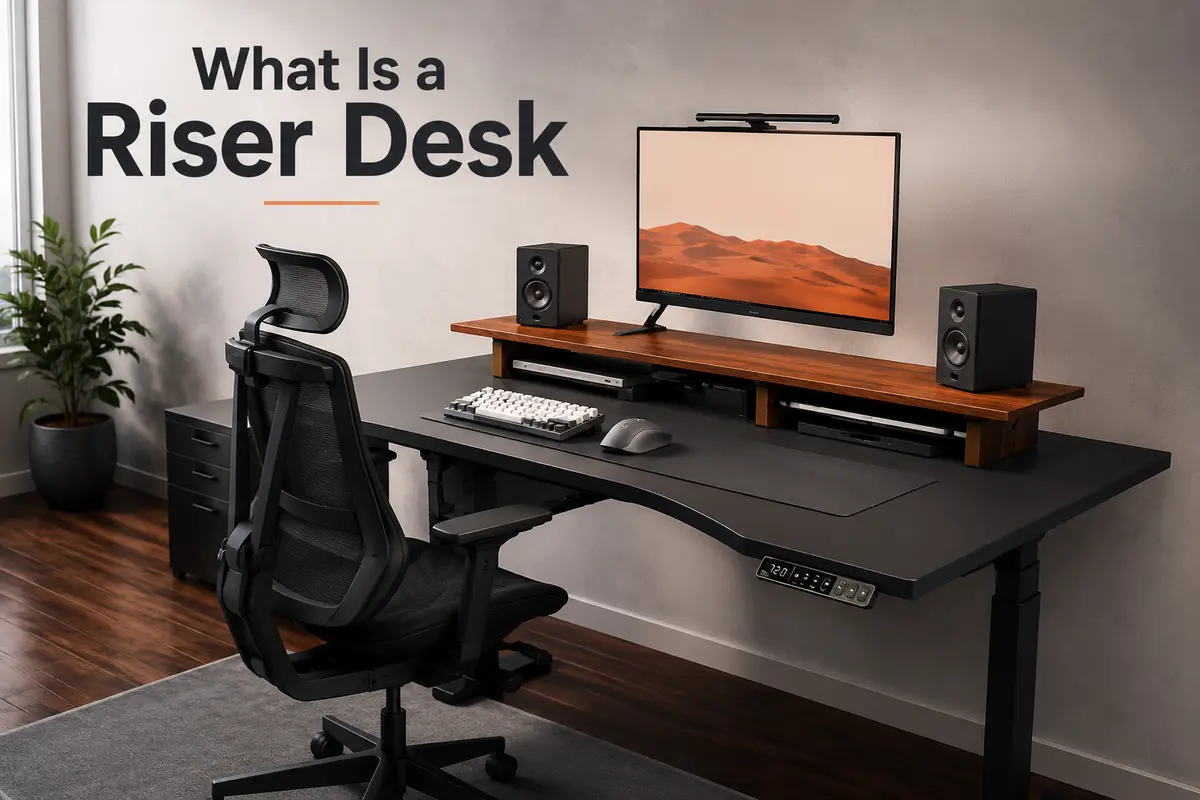
I used to dread the afternoon slump. Hours of sitting at my desk left my back aching, shoulders tight, and focus fading fast. Like many of you, I tried everything—better chairs, short walks, even standing meetings—but nothing quite stuck until I found a simple solution that changed how I work every single day. That solution was adding a riser to my setup. If you spend long hours at a computer and feel the toll on your body, you are not alone. Many professionals face the same issues, which is why understanding what a riser desk offers can make a real difference in your daily routine.
In this post, we will walk through exactly what a riser desk is, why it matters, and practical ways to make one work for you. Whether you work from home, in an office, or split your time between both, these ideas come from real experience and can help you build a workspace that supports your health and productivity without complicated overhauls.
What Is a Riser Desk?
A riser desk is a height-adjustable platform or attachment that sits on top of your existing desk. It lets you raise your monitor, keyboard, and mouse to a comfortable standing position whenever you want, then lower everything back down for seated work. Unlike full standing desks that replace your entire table, a riser desk works as an add-on, making it an affordable and flexible option for most people.
The design usually includes a sturdy base with a lifting mechanism—manual, crank, or electric—along with separate levels for your screen and typing surface. This setup keeps your arms at the right angle and your eyes level with the monitor, which helps maintain good posture whether you sit or stand.
I first learned about riser desks when my home office chair started causing lower back pain that would not go away. After some research, I realized the problem was not just the chair but the constant sitting. Switching to a riser let me alternate positions throughout the day without buying a whole new desk. It felt like a small upgrade that delivered big results right away.
How Riser Desks Differ from Traditional Standing Desks
People often ask how a riser differs from a full standing desk. The main difference is simplicity and cost. A full standing desk replaces your current furniture entirely, while a riser works with what you already have. This makes riser desks easier to try out and move around if your needs change.
Risers also tend to take up less space, which matters if your workspace is compact. Many models fold or adjust smoothly, so they do not dominate the room when lowered. For someone renting an apartment or sharing an office, this flexibility removes a lot of stress about permanent changes.
Why Your Body Needs Movement During Work
Sitting for long stretches is rough on the body. Research shows that prolonged sitting links to issues like poor circulation, stiff muscles, and even higher risks for certain health conditions. When I started using a riser, I noticed my energy levels stayed steadier and my afternoon fatigue decreased noticeably.
Switching between sitting and standing encourages gentle movement. This helps blood flow better, reduces pressure on the spine, and keeps muscles engaged without forcing a full workout. Many users report fewer headaches and less neck strain once they begin alternating positions every 30 to 60 minutes.
The mental side matters too. Standing periods often bring clearer thinking and better focus, especially during creative or strategic tasks. I catch myself solving problems more easily when I am up and moving compared to slouching in my chair.
Key Benefits of Using a Riser Desk
Using a riser brings several practical advantages that go beyond basic comfort.
Improved Posture and Reduced Pain. One of the first changes I felt was in my posture. Raising the monitor to eye level stopped the constant forward head tilt that used to leave my neck sore. My shoulders stayed relaxed instead of creeping up toward my ears. Over weeks, the lower back tightness that had become normal started to ease.
Increased Energy and Productivity. Standing naturally promotes small shifts in weight and posture, which keeps blood moving. I find I stay more alert during longer work blocks. Tasks that once dragged in the afternoon now feel manageable because my body is not fighting the effects of sitting still for hours.
Flexibility for Different Work Styles. Some days call for deep focus while seated. Other moments benefit from the energy of standing. A riser gives you both without compromise. This adaptability suits writers, programmers, designers, and managers alike—anyone who spends significant time at a screen.
Cost-Effective Upgrade Compared to replacing an entire desk, a quality riser costs far less while delivering similar ergonomic benefits. This makes it accessible for students, freelancers, and teams on tighter budgets.
Better Collaboration and Movement In shared offices, a riser encourages people to stand during quick discussions, leading to shorter and more effective meetings. At home, it lets you stay active while still being present for family or pets nearby.
Different Types of Riser Desks Available Today
Riser desks come in several styles to fit various needs and budgets.
Manual or Crank-Style Risers: These use a hand crank or simple lift to adjust height. They are reliable, often more affordable, and require no power source. I appreciate the solid feel of a well-built crank model—no sudden drops or electronic failures.
Electric Riser Desks Powered models use a button or panel to raise and lower smoothly. They work great if you switch positions frequently and want minimal effort. The quiet motors make them suitable for quiet workspaces.
Fixed-Height or Limited-Adjust Risers. Some simpler platforms offer preset heights or basic lifts. These suit users mainly need occasional standing without frequent changes.
Laptop-Specific Risers Compact options designed for laptops include built-in keyboard trays that pull out. They keep the screen at eye level while giving your hands a natural typing position.
When choosing, think about your daily routine. If you switch often, an electric model might suit you best. For occasional use, a manual version works fine.
How to Choose the Right Riser Desk for Your Space
Picking the right model takes a bit of thought. Start by measuring your current desk surface and the items you plan to place on the riser—monitor size, keyboard width, and any extra peripherals.
Consider weight capacity carefully. Make sure the riser can handle your equipment plus a bit of extra for stability when typing. Look for sturdy materials like steel frames and quality wood or laminate surfaces that resist wobbling.
Height range matters a lot. The best risers adjust low enough for comfortable seated use and high enough for standing without raising your shoulders. Aim for a setup where your elbows stay at about 90 degrees and your monitor sits at or slightly below eye level.
Stability is non-negotiable. Test for any rocking or flexing during use. A stable platform prevents frustration and keeps your focus on work instead of constant adjustments.
Budget-Friendly vs Premium Options
You can find solid risers starting under a couple hundred dollars, while higher-end models with advanced features cost more. In my experience, spending a bit more on quality pays off through better durability and smoother operation. Read user reviews that mention long-term use rather than just initial impressions.
Check return policies too. Trying a riser in your actual space is the best way to know if it fits your workflow.
Smart Tips for Setting Up Your Riser Desk
Getting the setup right makes all the difference. Here are approaches that worked well for me and many others.
Position Your Monitor Correctly. Place the top of your screen at or just below eye level. This keeps your neck in a neutral position. If you use multiple monitors, align them so you do not twist your body to view them.
Adjust Keyboard and Mouse Height. Your wrists should stay straight, and your elbows close to your sides. Many risers include a separate lower platform for the keyboard that drops down to the right height for typing while standing.
Add Anti-Fatigue Mats. Standing on hard floors quickly becomes tiring. A cushioned mat reduces pressure on your feet and knees. I keep one handy and notice I stand longer when it is in place.
Incorporate Movement Reminders: Use simple timers or apps that suggest when to switch positions. I started with 30 minutes sitting and 30 standing, then adjusted based on how my body felt. Some days I stand more during creative work, others I sit more for detailed tasks.
Organize Cables and Accessories. Good cable management prevents tangles when raising and lowering the riser. Use clips or sleeves to keep everything neat and safe from strain.
Pair with Supportive Seating. When you sit, choose a chair that supports good posture. This balance between sitting and standing creates the healthiest routine.
Building Healthy Habits with Your Riser Desk
A riser works best when paired with mindful habits. Start small if full-day standing feels overwhelming. Many people begin with just a couple of standing sessions and gradually increase.
Stay hydrated and take short walks when possible. Combine standing with gentle movements like shifting weight or doing basic stretches at your desk. These small actions add up and prevent stiffness.
Pay attention to your body signals. Some discomfort is normal when starting, but sharp pain means something needs adjustment. Listen and tweak your setup accordingly.
I found that tracking how I felt at the end of each week helped me refine my routine. Energy levels, focus, and pain all improved steadily once I committed to regular position changes.
Common Mistakes to Avoid When Using a Riser Desk
Even with good intentions, a few pitfalls can reduce the benefits.
Standing Too Long at First Jumping into hours of standing without building tolerance leads to sore feet or legs. Ease in gradually and use proper footwear or mats.
Poor ergonomic alignment, slouching, or reaching awkwardly defeats the purpose. Take time to adjust heights properly each time you switch positions.
Ignoring Your Whole Workspace. A great riser paired with a bad chair or poor lighting still creates strain. Look at the full picture—lighting, temperature, and noise all affect comfort.
Skipping Regular Breaks: Standing is not a complete replacement for movement. Get up and walk around periodically throughout the day.
Choosing the Wrong Size A riser that is too small for your equipment or too big for your desk creates clutter and instability. Measure carefully before buying.
Real Experiences from Everyday Users
Many professionals share similar stories. A friend who works in software development told me his chronic wrist discomfort decreased after switching to a riser and adjusting his keyboard position. Another colleague in marketing noticed she finished client proposals faster when standing because her energy stayed higher.
Parents working from home often mention how a riser lets them stay active while staying available for kids. Students use them to combat the fatigue of long study sessions. The common thread is that small changes in movement create noticeable improvements in how people feel and perform.
Maintaining and Caring for Your Riser Desk
Quality risers last for years with basic care. Keep the mechanisms clean and free of dust. Check screws and connections occasionally to maintain stability. For electric models, follow manufacturer guidelines for the motor and controls.
If you move offices or rearrange furniture, most risers transport easily, which adds to their value over time.
Creating a Workspace That Supports Your Life
A riser desk is more than office equipment. It becomes part of a workspace that respects how your body and mind actually work. By giving yourself the option to change positions naturally, you reduce strain and open up more consistent energy for the things that matter—whether that is advancing your career, creating meaningful work, or simply feeling better at the end of each day.
The shift does not need to be dramatic. Many people start with one small adjustment and build from there. Over time, the benefits compound into better health, sharper focus, and greater satisfaction with your daily work.
If you have been dealing with the same aches and energy dips I once faced, consider what adding a riser could mean for you. The change is accessible, and the results often exceed expectations once you find the setup that fits your style.
What small step could you take today toward a more comfortable workspace? Many readers find that experimenting with position changes for just a week makes a surprising difference. Your body and your work will thank you for it.
For more useful articles, visit my website: Gulmagazine.co.uk.