Hey folks, if you caught the news over the weekend, you probably felt that familiar knot in your stomach when you heard the US-Iran talks had fallen apart. After more than 20 hours of back-and-forth in Islamabad, the teams walked away with no deal. Oil prices jumped right away, hitting around $102 a barrel for Brent crude this morning, and everyone from truck drivers to families planning summer trips is starting to worry.
I get it – I filled up my car just a couple of days ago and already noticed the difference from last month. These events hit close to home because they affect what we pay at the pump, the cost of groceries, and even how safe we feel in a world that seems more unpredictable every day.
Let me sit down with you here and break this all down step by step. We will look at exactly what went wrong in the US-Iran Talks, how we reached this point, and why your daily life could change because of it. No fancy jargon, just straight talk about the facts and what they mean for regular people like us. By the end, you will have a clearer sense of the situation and some simple ways to handle the fallout.
What Happened in the Latest Round of US-Iran Talks
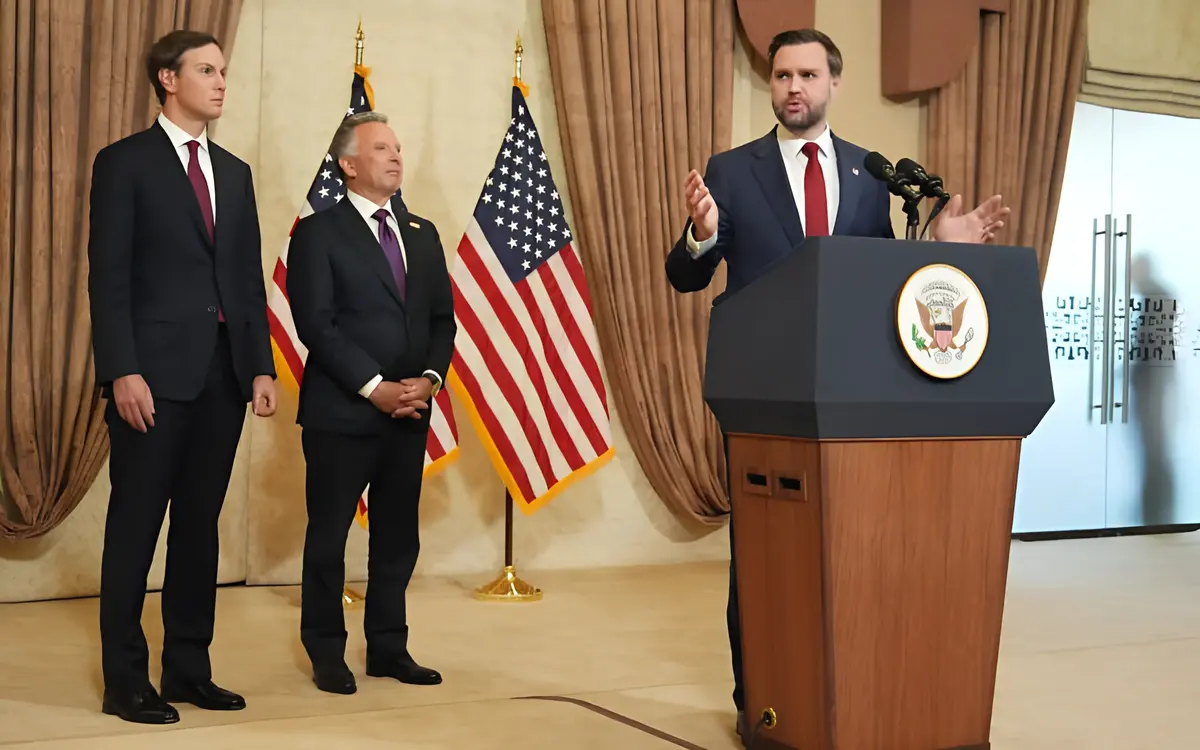
The US-Iran Talks wrapped up on April 12 without any agreement. Vice President JD Vance led the American side, joined by a few key advisors. They met with Iranian officials in Pakistan for what many hoped would be a chance to end the fighting that has dragged on since late February. The main goals were clear: get the Strait of Hormuz open again for oil tankers and find a way to pause the broader conflict.
Instead, both sides pointed fingers. The US team said they put forward their best offer, and Iran turned it down. Iranian representatives called the demands too much and accused the other side of bad faith. This was the first time top officials from the two countries sat down face to face in over a decade. A short ceasefire had been in place for about two weeks, but it always felt shaky. Now that the US-Iran talks ended this way, that ceasefire looks even more fragile.
I remember scrolling through updates late into the night, hoping for some positive sign. Many of us did the same because we know how quickly these things can snowball. The failure means no quick fix for the blocked shipping lanes or the uncertainty hanging over energy markets.
The Path That Led to These US-Iran Talks
To understand why the US-Iran Talks mattered so much, we need to go back a bit. The current troubles started in late February when strikes targeted Iranian leadership and military sites. Things escalated fast. By early March, Iran closed the Strait of Hormuz, the narrow waterway that carries about one-fifth of the world’s oil supply. Tankers stopped moving, and oil prices shot up past $120 a barrel at one point.
That closure created real pain across the globe. Factories slowed down, airlines raised ticket prices, and drivers everywhere saw gas costs climb. A two-week ceasefire gave everyone a breather and let some ships through, which brought prices down temporarily. But the truce depended on serious talks to make it permanent. That is how we got to the US-Iran Talks in Pakistan.
The stakes were high from the start. The US side wanted a narrow deal focused on reopening the strait and releasing any detainees. Iran pushed for something bigger – including compensation for damages and a wider regional pause in fighting. Those different views made compromise tough. When the hours ticked by without progress, it became obvious the gap was too wide.
Why Oil Prices Climbed After the US-Iran Talks Ended
Oil prices did not waste any time reacting. Brent crude rose more than 7 percent in early trading on April 13, landing near $102 per barrel. West Texas Intermediate followed a similar path. Why the sudden jump? Simple supply fears. With the strait still under threat and the US talking about a blockade, traders know disruptions could last longer than expected.
Think about it this way. When ships cannot pass through Hormuz safely, oil from the Middle East has to take longer routes or stay put. That means less supply reaches refineries in Europe, Asia, and beyond. Even the hint of more trouble pushes prices higher because markets hate uncertainty. We saw this pattern play out before during the initial closure in March.
For you and me, that translates to higher costs at the gas station. If you drive to work or take kids to school, you feel it first. Trucking companies pass the expense on to stores, so food and goods get pricier too. I talked to a friend who runs a small delivery business yesterday, and he said his fuel budget just increased by 15 percent. Stories like his are becoming common, and they show how one failed negotiation ripples out to affect millions.
How the End of US-Iran Talks Is Raising Global Tensions
The failed US-Iran talks did more than affect oil. They added fuel to worries about a wider conflict. Israel continues operations against groups linked to Iran, and the region remains on edge. Other countries are watching closely because any escalation could draw in more players.
China and Russia have their own interests in the area, and their responses could complicate things further. European nations worry about energy supplies heading into winter. Even countries far from the Middle East feel the pressure through higher inflation and slower trade.
I have followed these kinds of situations for years, and one thing stands out: when big powers walk away from the table, smaller sparks can turn into bigger fires. The US-Iran talks were supposed to lower the temperature. Now the opposite is happening, and leaders everywhere are scrambling to keep things from boiling over.
How This Situation Hits Your Wallet and Daily Routine
Let us talk about the part that matters most – what this means for you. Higher oil prices show up in your budget faster than you might expect. Gas for your car, heating for your home, and even the price of almost everything shipped by truck or plane goes up. Families already stretching paychecks are feeling the squeeze.
Take a typical household. If gas rises another 20 or 30 cents a gallon, that adds up to hundreds of extra dollars a year. For commuters, it might mean skipping a weekend getaway or cutting back on eating out. Small business owners like shopkeepers or farmers see their costs climb and wonder how to keep prices fair for customers without losing money.
The broader economy feels it too. Stock markets dipped on the news because investors hate this kind of uncertainty. Airlines and shipping companies adjust fares, which affects travel plans. Even if you do not drive much, your grocery bill reflects the change because farms and factories rely on affordable fuel.
I know how frustrating this can be. Last year, when prices were steadier, I planned a road trip with my family. Now I am rethinking that because every extra dollar at the pump takes away from other things we enjoy. You might be in the same boat, wondering how long this will last and what you can do about it.
Looking Back at Earlier Efforts in US-Iran Talks
This is not the first time the US and Iran have tried to sort things out at the table. Back in 2015, a deal limited Iran’s nuclear program in exchange for easing some sanctions. That agreement held for a few years until it fell apart in 2018. Since then, relations have stayed tense, with periods of sanctions, protests, and occasional direct clashes.
Each round of US-Iran Talks in the past carried similar hopes – reduce risks, open trade routes, and bring some calm. But differences over nuclear issues, regional influence, and economic demands kept getting in the way. The current failure fits that pattern, though the timing feels more urgent because of the ongoing war and closed shipping lanes.
Seeing history repeat itself reminds us that these negotiations are never simple. They involve deep-seated concerns on both sides, and quick fixes rarely work. Still, the fact that talks happened at all shows both countries recognize the cost of continued fighting.
What Analysts and Leaders Are Saying About the Situation
People who watch these markets for a living are not sugarcoating things. Many expect oil to stay elevated for weeks or months unless the strait reopens fully. Some point out that even a partial blockade could keep prices high and push inflation higher around the world.
World leaders are urging calm and calling for both sides to return to dialogue. Pakistan, which hosted the recent US-Iran Talks, is pushing hard to keep the ceasefire alive. Energy experts warn that prolonged uncertainty could slow global growth and create headaches for central banks trying to manage interest rates.
Their comments line up with what we see on the ground. No one wants higher costs or more conflict, but the path forward looks complicated. Hearing these views helps me feel less alone in my concerns, and I bet you feel the same.
Simple Steps You Can Take While Prices Stay High
You do not have to sit and wait for things to improve. A few practical moves can ease the pressure. First, track your fuel use. Combine errands, carpool when possible, or check public transit options. Even small changes add up.
Look at your home energy habits, too. Seal drafts, adjust the thermostat a couple of degrees, and maintain your vehicles so they run efficiently. These habits save money no matter what oil prices do.
On the financial side, build a small buffer for rising costs. Review your budget and see where you can shift spending. If you have investments, talk to an advisor about how energy fluctuations might affect them, but avoid panic decisions.
Stay informed without getting overwhelmed. Follow reliable updates on the US-Iran Talks and energy markets so you can plan. Sharing tips with friends and family can help everyone navigate this together.
Where Things Stand Now and What to Watch Next
The end of the US-Iran Talks leaves us in a waiting game. Oil prices are higher today, tensions remain elevated, and the world is watching to see if any new moves bring the sides back together. The situation could shift quickly – maybe with fresh negotiations or perhaps more pressure on shipping routes.
For now, the best thing we can do is stay aware and support each other through the changes. Higher costs test our patience, but they also remind us how connected we all are. Your concerns about gas prices or family expenses are valid, and paying attention to these events gives you the power to respond.
Keep an eye on developments over the coming days. If prices keep climbing or new talks get scheduled, we will feel the effects. In the meantime, focus on what you can control in your own life. Small actions today can make tomorrow a little easier, no matter how the bigger story unfolds.
For more useful articles, visit my website: Gulmagazine.co.uk.