
What is Happening Now
The latest round of diplomacy between the United States and Iran is moving back to Pakistan, with President Donald Trump saying that American negotiators will return to Islamabad on Monday evening for more talks. He announced on Sunday, while also warning Iran that the United States could target Iranian power plants and bridges if Tehran does not accept his terms. The move comes as a fragile ceasefire is still in place, but it is set to end on Wednesday unless a new understanding is reached.
This is one of the clearest signs yet that the crisis is entering a new and very sensitive phase. The talks are not happening in the quiet background. They are taking place while the Strait of Hormuz remains closed, tensions are high, and both sides are still openly warning each other. Pakistan has again become the host for these contacts, which makes Islamabad a central place for this round of diplomacy. That is an inference from the reports that the talks are being held there and that Pakistani authorities are preparing the city for the American delegation.
Why Pakistan matters in these talks
Pakistan has emerged as the meeting point for a very delicate set of discussions between the US and Iran. Reuters reported earlier this week that Pakistani and Iranian officials said the teams could return to Islamabad to resume negotiations after the first talks ended without a breakthrough. A Pakistani official said Islamabad had reached out to Iran and received a positive response for a second round of talks. Another source said the countries could return as early as the end of the week, although nothing was final at that time.
That makes Pakistan more than just a location. It is acting as a diplomatic bridge between the two sides that still do not trust each other. The same Reuters report said the first Islamabad meeting was the first direct encounter between US and Iranian officials in more than a decade, and the most senior engagement since Iran’s 1979 Islamic Revolution. That alone shows how unusual and important these contacts are.
What Trump said about Iran
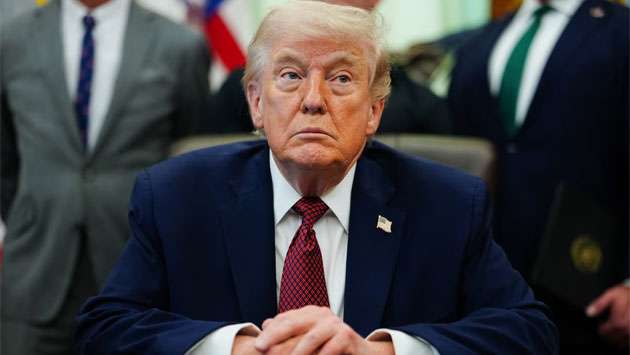
Trump’s message on Sunday was hard-line and direct. Reuters reported that he said the US delegation would arrive on Monday evening and warned that if Iran does not accept the US deal, the United States would “knock out” Iranian power plants and bridges. He also posted that there would be “NO MORE MR. NICE GUY.” The tone of the statement shows that Washington is trying to combine diplomacy with pressure at the same time.
This is not the first time Trump has used such language. Earlier, on April 5, Reuters reported that he threatened to target Iran’s power plants and bridges if the Strait of Hormuz was not reopened. He said the US would act if Iran did not move on the issue, and he used unusually harsh language in his social media post. That earlier warning now looks like part of a bigger pressure campaign rather than a one-day outburst.
What the talks are really about
The main issues on the table are still the same. Reuters reported that the two sides remain far apart on Iran’s nuclear program and on the Strait of Hormuz. The report from April 14 also said sanctions on Tehran are part of the dispute. Trump’s latest comments show that the US is pushing for a deal that is very tough on Iran, while Iran still wants major relief and clear concessions.
After the first round of talks in Islamabad, US Vice President JD Vance said the US side had a “final and best offer.” Reuters said Washington had proposed a 20-year suspension of all Iranian nuclear activity, while Iran suggested a pause of only three to five years, according to people familiar with the proposals. That gap explains why the first meeting ended without a breakthrough.
In simple words, both sides want a deal, but they want very different deals. The US wants a much longer and stricter pause in Iranian nuclear activity. Iran appears to be looking for a shorter freeze and more relief from pressure. That is why the talks are still alive, but also why they remain very fragile. This is an inference based on the reported positions from Reuters.
Why the Strait of Hormuz is so important
The Strait of Hormuz is one of the most important shipping routes in the world. Reuters said the strait had effectively been closed, and that before the war it carried about one-fifth of global oil shipments. That is why the dispute is not only a regional security issue. It has also become a global energy issue.
Reuters also reported that the strait remained closed on Sunday after Iran fired on two vessels that tried to cross. Iran had said on Friday that it would reopen the route, but that decision was reversed after Trump refused to lift a US blockade of Iranian ports. The result is a tense standoff in one of the world’s most sensitive waterways.
The economic effect is already visible. Reuters reported that the war has created a major shock to global energy supplies, pushing oil prices higher because of the closure of the strait. It also noted that prices could become volatile again when markets reopened. This matters to far more than the countries directly involved, because any long disruption in the Gulf can quickly affect fuel costs around the world.
What is happening in Islamabad
Pakistan is preparing for the new talks in a visible way. Reuters reported that two giant US C-17 cargo planes landed at Nur Khan air base on Sunday afternoon with security equipment and vehicles. In Islamabad, public transport and heavy goods traffic were halted, barbed wire was rolled out near the Serena Hotel, and the hotel told guests to leave. That kind of security response shows that officials expect the talks to be highly sensitive.
This lockdown-like atmosphere also shows how seriously Pakistan is treating the diplomacy. The city is not behaving like a normal venue for routine talks. It is being prepared like a high-security diplomatic zone. That is an inference from the reported transport restrictions, hotel evacuations, and military logistics described by Reuters.
Why is this moment so risky
The timing is dangerous because the ceasefire is close to expiring. Reuters said Trump’s timetable leaves only a day for progress before the two-week ceasefire ends on Wednesday. That means the talks are not just about a long-term deal. They are also about preventing a rapid return to escalation in the next 24 to 48 hours.
There is also no firm confirmation from Iran that it will attend the new round. Reuters reported that Iran had not immediately confirmed participation, and that its Tasnim news agency said no decision had been taken while the US blockade of Iranian ports remained in place. So even though Trump says the US delegation is going, the diplomatic track is still not fully settled.
That uncertainty is important. It means the situation is moving, but not safely. A meeting can still happen, but a meeting is not the same as a deal. And a deal is not the same as peace. At this stage, the best way to describe the situation is that diplomacy is still alive, but one bad move could quickly undo it. This is an inference from the reported ceasefire deadline, the lack of Iranian confirmation, and the continued warnings from both sides.
What the first round showed
The first Islamabad talks showed that both sides are speaking, but they are still far apart. Reuters said the talks ended without a breakthrough and that the main unresolved issues were the nuclear question and the Strait of Hormuz. It also said the first meeting was the most senior direct engagement between the two countries in more than a decade. That means the door to diplomacy has opened, but only slightly.
The fact that the sides are now coming back for another round is still important. It suggests that neither side wants the crisis to move straight into full confrontation without at least one more attempt at negotiation. That does not mean trust exists. It means both governments still see value in talking, even while publicly threatening each other. That is an inference based on the return to talks reported by Reuters and the continued hard-line statements from Trump.
What to watch next
The next key question is whether Iran sends a delegation and whether the US delegation arrives as planned. Reuters said the US side would come on Monday evening, but Tehran had not confirmed its own move. If both sides do sit down, the main issues will likely remain the nuclear program, sanctions, and the Strait of Hormuz. If they do not meet, the risk of renewed escalation rises very quickly.
Another thing to watch is whether Trump keeps using threats against Iranian infrastructure or changes tone if talks begin. His earlier warning on April 5 and his latest post on April 19 show a pattern of strong pressure alongside diplomacy. That approach may be meant to force a quick agreement, but it also increases the risk of miscalculation.
Oil markets will also be watching closely. Because the Strait of Hormuz is still shut, any sign of progress or failure in the talks could move prices again. Reuters said the strait’s closure already caused a major energy shock, and that markets could turn volatile once trading resumes. That is why the story is not only about politics or war. It is also about energy, trade, and the cost of daily life.
Final view
The headline story is simple, but the situation behind it is not. Trump says US negotiators are going back to Pakistan for more talks with Iran, but he is also warning that Iranian power plants and bridges could be hit if Tehran does not agree to his terms. The talks are happening under pressure, with the Strait of Hormuz still closed, the ceasefire close to ending, and both sides still far apart on the biggest issues. Pakistan is now once again the stage for a crisis that could either move toward a deal or slide back into confrontation.
The latest update as of April 19, 2026, is that diplomacy is continuing, but nothing is settled yet. The coming hours and days will show whether Islamabad becomes the place where tensions ease, or just another stop on the road to a deeper conflict.
For more useful articles, visit my website: Gulmagazine.co.uk.