
Hey, if the idea of earning serious money while working in one of the most unique environments on the planet has crossed your mind, you are not alone. Jobs on petrol platform pay well because the work demands focus, physical effort, and a willingness to live far from home for stretches at a time. Whether you come from a background in trades, engineering, or just want a fresh start with solid paychecks, this guide walks you through everything you need to know.
I have spoken with plenty of workers who made the jump from regular jobs to platform roles, and the stories always circle back to the same points: the money changes lives, the schedule gives real time off, and the daily grind tests your limits in ways office work never could. If you want high-paying work that rewards hustle and preparation, jobs on petrol platform might fit the bill. Let us break it down so you can decide for yourself.
What Exactly Are Jobs on Petrol Platform?
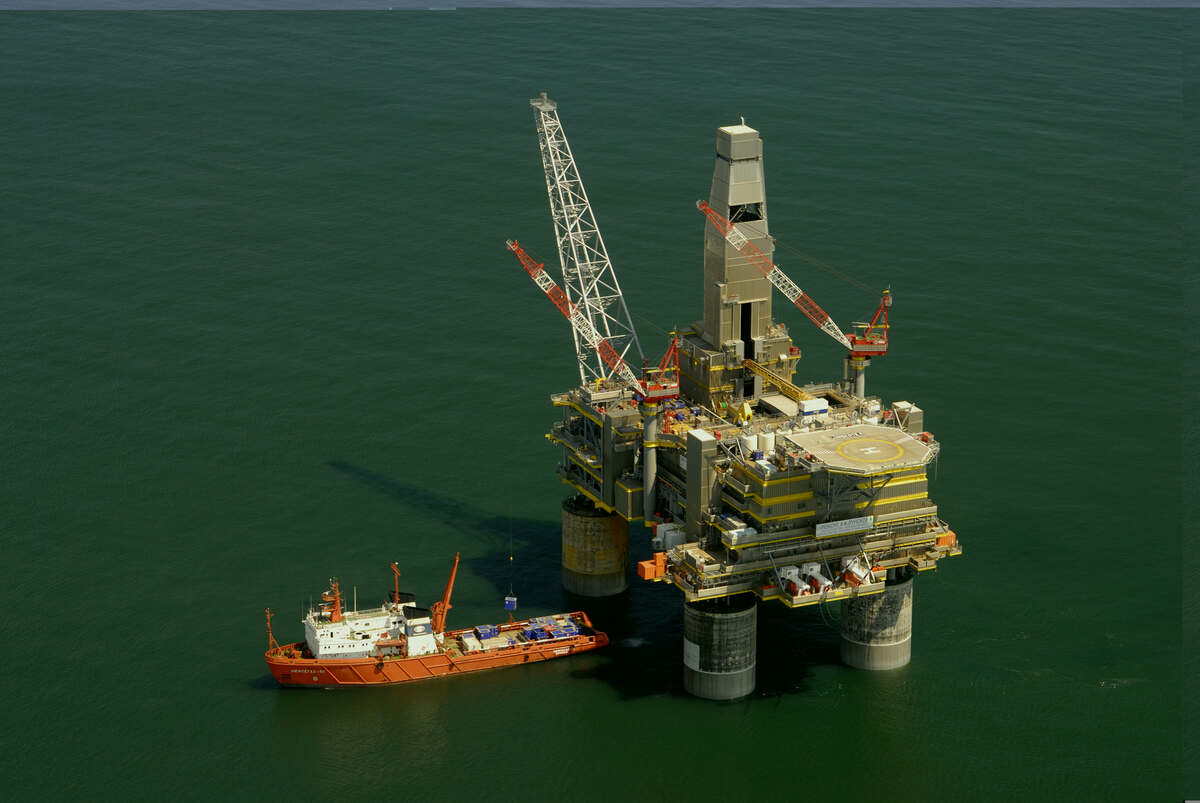
Petrol platforms sit miles offshore, anchored or floating above vast oil and gas reserves under the seabed. These structures house everything needed to drill, extract, process, and transport fuel. Crews live on board for weeks, handling every aspect of operations around the clock.
Jobs on petrol platform cover a wide range. Some roles focus on drilling the wells, others keep the platform running smoothly, and support staff handle food, safety, and medical needs. The common thread? Every position contributes to keeping production safe and steady in a place where help is hours away by helicopter or boat.
Most platforms operate in rotation. You work 14 to 28 days straight, then head home for the same amount of time. Shifts run 12 hours, seven days a week while you are out there. That schedule sounds intense, and it is, but it also means you bank a lot of paid time off each year.
Types of Jobs on Petrol Platform You Can Aim For
The roles break into clear groups based on skill level and responsibility. You can start at the bottom and move up fast if you show reliability and pick up new skills.
Entry-Level Roles That Get You on Board
Roustabouts handle the basic labor that keeps the deck clean and equipment ready. You paint, clean, move supplies, and help wherever needed. No prior experience is required for many of these spots, which makes them a common starting point.
Roughnecks work directly on the drilling floor. They connect and disconnect pipe, operate heavy machinery, and support the drill crew. Pay starts higher here because the work is more physical and technical.
Deck hands on support vessels perform similar tasks but often stay closer to the water line. These positions suit people who like hands-on work and do not mind getting dirty.
Salaries for entry roles typically range from $40,000 to $60,000 per year, depending on location, overtime, and the operator. Many contracts add benefits that push total compensation higher.
Skilled Technical Positions
Once you gain experience, you move into drilling department jobs such as derrickhand or driller. These roles manage the actual drilling process, monitor pressure, and direct the crew. Toolpushers oversee entire drilling operations and earn significantly more.
Engineering and maintenance positions need specific training. Electricians fix power systems, mechanics service engines, and welders repair metal structures. Subsea technicians handle equipment underwater using remotely operated vehicles.
Production operators monitor the flow of oil and gas once the well is producing. They adjust valves, run tests, and keep the processing equipment in top shape.
These mid-level jobs often pay between $70,000 and $120,000 annually. With overtime and bonuses tied to production, the numbers climb quickly.
Management and Support Roles
Senior positions include offshore installation managers who run the whole platform. They coordinate safety, production targets, and crew welfare. Engineers with degrees design processes or solve complex problems on site.
Support roles keep the crew healthy and fed. Medics provide first aid and emergency care. Cooks prepare three hot meals a day plus snacks. Safety officers run drills and enforce procedures that protect everyone.
These higher-responsibility jobs frequently pay $120,000 to $250,000 or more, especially for experienced supervisors and specialists.
How Much Can You Really Earn in Jobs on Petrol Platform?
Pay stands out as the biggest draw. Even entry-level workers clear more than many land-based trades. Factors that affect your take-home include:
- Your exact role and experience level
- The region—Gulf of Mexico, North Sea, or Middle East each have their own rates
- Rotation length and overtime rules
- Whether the contract offers tax advantages
Many platforms operate on a day-rate system. You earn a set amount for each day you work offshore. Add hazard pay, production bonuses, and travel allowances, and the total adds up fast.
Entry workers often see $50,000 to $70,000 in their first full year. After two or three years of solid performance, many reach six figures. Senior roles with leadership duties can exceed $200,000 when everything lines up.
The real advantage comes from the schedule. You spend half the year at home. No daily commute, no weekend work, and your living expenses drop while offshore because meals, laundry, and lodging are covered.
What It Takes to Qualify for Jobs on Petrol Platform
Companies put safety first, so they screen candidates carefully. You need to meet basic requirements before you even apply.
Physical fitness matters. You must pass a medical exam that checks vision, hearing, lung capacity, and overall health. Offshore medical certificates, sometimes called OGUK or equivalent, are standard.
Age usually starts at 18, though some operators prefer 21 or older. You need a clean criminal record and the legal right to work in the country where the platform operates.
Certifications open doors faster than anything else. The most common one is BOSIET—Basic Offshore Safety Induction and Emergency Training. It teaches helicopter escape, sea survival, and fire fighting. Many companies also require H2S awareness training for platforms that handle sour gas.
Other useful tickets include rigging and lifting, confined space entry, and basic first aid. Some regions ask for a TWIC card if you work in U.S. waters.
Good news: you do not need a college degree for most hands-on jobs. A high school diploma or trade certificate gets you started. English skills help because safety briefings and instructions use it as the main language on international platforms.
Step-by-Step: How to Land Jobs on Petrol Platform
Getting hired follows a clear path if you stay organized.
- Build a clean resume that highlights any mechanical, construction, or safety experience. Even warehouse or factory work counts.
- Complete the core safety training. Pay for BOSIET yourself if needed—it shows initiative and often gets reimbursed later.
- Apply through specialized job boards and company career pages. Sites that list offshore openings see new postings daily.
- Work with recruiters who focus on oil and gas. They match your profile to open rotations and handle a lot of the paperwork.
- Prepare for interviews. Expect questions about safety, teamwork under pressure, and your ability to live in close quarters.
- Pass the medical and drug screen. These are non-negotiable.
- Accept an entry role and prove yourself. Promotions happen when you show up ready every day.
Many workers start onshore at a support base or on smaller vessels, then transfer offshore once they have a track record. That route reduces the initial shock of platform life.
A Typical Day in Jobs on Petrol Platform
Picture waking at 5 a.m. in a shared cabin. Your roommate works nights, so the room stays quiet. You grab coffee and a full breakfast in the galley—eggs, bacon, fruit, whatever fuels heavy labor.
A quick safety meeting at 6 a.m. reviews the day’s tasks and any hazards. Then you head to your station. If you work on the drill floor, you spend the next 12 hours handling pipe, monitoring gauges, and staying alert.
Lunch comes around noon—hot, fresh, and plentiful. Short breaks keep you going. At shift end you shower, eat dinner, and unwind. Some platforms have a gym, movies, or a small lounge. Most guys hit the weights or call home before lights out around 9 or 10 p.m.
The routine repeats every day you are offshore. It feels structured once you adjust. The key is respecting the schedule and looking out for your crewmates.
The Real Talk: Pros and Challenges of Jobs on Petrol Platform
The pay and time off top the list of advantages. You bank money faster than most jobs allow. Food is provided, laundry gets done, and you avoid daily living costs for half the year. Many workers say the extended home time lets them focus on family, hobbies, or side projects when they return.
Travel can feel like an adventure. Platforms operate worldwide, so you might see new places between hitches.
Challenges exist too. Being away from family for weeks strains relationships. The work is physically tough, and weather can make everything harder. Safety risks are real, though modern platforms have strong procedures and equipment to reduce them.
Isolation hits some people harder than others. You live and work with the same group in a small space. Strong communication and a positive attitude help a lot.
Long hours test your stamina. Twelve-hour shifts every day for a month require mental toughness. Most workers say the first hitch feels longest, then the rhythm clicks.
Tips to Succeed in Your Career on Petrol Platforms
Stay safe every single shift. Follow procedures exactly and speak up if something looks off.
Learn constantly. Ask experienced crew members to show you the ropes. Take extra training when offered.
Keep your body in shape. Use the gym, eat well, and rest when you can. Fitness helps you handle the demands and avoid injuries.
Build relationships. Platforms run on teamwork. A good reputation travels fast and leads to better opportunities.
Save money wisely. The high earnings tempt spending sprees. Set up automatic savings and treat the job as a financial stepping stone.
Plan your career moves. Decide if you want to stay in drilling, move into engineering, or aim for supervisory roles. Each path has its own training timeline.
Is a Job on Petrol Platform Right for You?
Jobs on petrol platform offer a clear trade-off: intense work periods for high rewards and meaningful time off. If you value money, structure, and the chance to learn specialized skills in a short time, these roles can transform your financial picture.
Think about your tolerance for being away from home and your comfort with physical labor in a remote setting. Talk to current or former workers if possible. Many say the first year decides whether the lifestyle suits them.
The industry continues to need reliable people. Platforms keep producing, and experienced crews remain in demand. With the right preparation and mindset, you can turn jobs on petrol platform into a solid, well-paid career.
Start small. Get your certifications, update your resume, and send out applications. The next high-paying rotation could be closer than you think. If you put in the effort upfront, the platform life rewards those who show up ready and stay consistent.
For more useful articles, visit my website: Gulmagazine.co.uk.