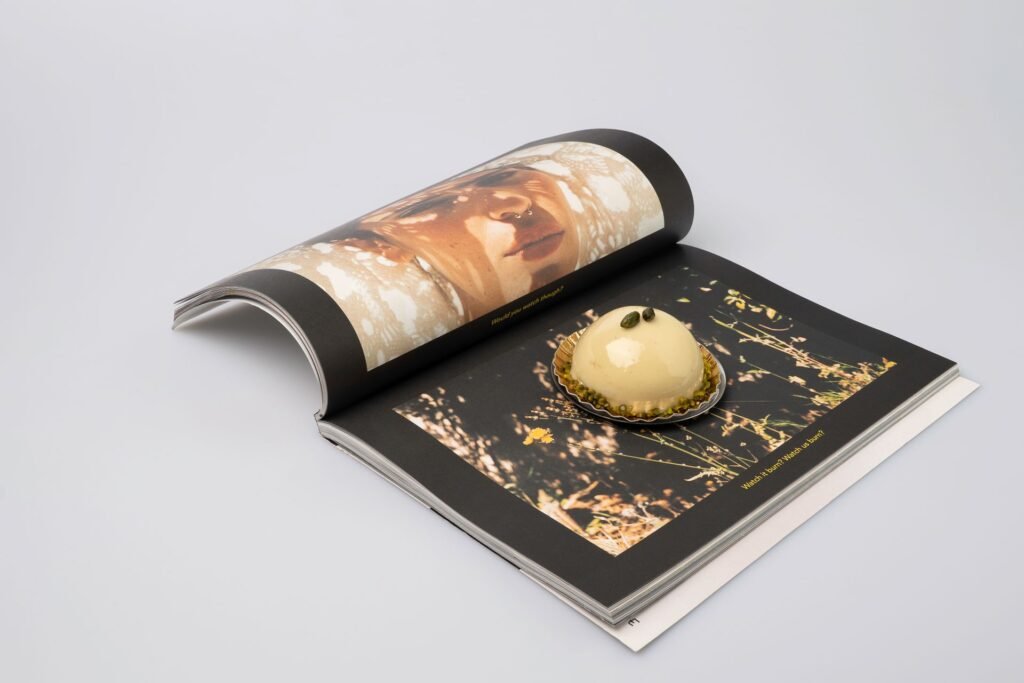
Food magazines are the most-read magazines of all. According to Roy Morgan’s Australian Readership figures for the twelve months to June 2026, Food & Entertainment was the most-read magazine category in Australia, with 6.3 million readers — more than any other kind of magazine. That is no surprise. A good food magazine does something no recipe website can quite match: it gives you a meal plan, a season, a way of cooking, and the confidence to try it, all in one beautifully photographed package.
The choice is wide. Some titles are built for everyday cooking — quick weeknight dinners, family meals, reliable recipes that work the first time. Others are for people who love food as a craft: baking, fine dining, wine, restaurants and the chefs behind them. Some are general, and some focus on a single thing, like baking or vegetarian cooking, and do it brilliantly.
This guide rounds up the best food magazines for home cooks and food lovers — what each one does best, who it suits, and whether to buy it in print or digital. Prices change often and differ by country, so we describe value qualitatively here; always check the publisher’s own site for current pricing before you subscribe.
Why Food Magazines Are Worth Subscribing To
Recipe websites are free and endless, so why pay for a food magazine? The answer is editing. A website gives you ten thousand recipes for roast chicken. A magazine gives you one, tested until it works, with timings you can trust, substitutions that make sense, and a photograph that shows you what it should look like.
That testing matters. The best food magazines employ test kitchens, where recipes are cooked again and again until they are reliable. When a magazine says a dish takes forty minutes, it takes forty minutes. When it says a cake serves eight, it serves eight. That reliability is what turns a casual cook into a confident one.
Food magazines also organise cooking by season and occasion. A good issue arrives when you need it: summer salads and barbecues in summer, slow cooking and baking in winter, festive food before the holidays. That rhythm helps you plan meals and use what is in season, which usually means better food for less money.
There is also the pleasure of reading about food, not just cooking it. The best food magazines include writing about restaurants, producers, travel, wine and food culture — the stories behind what we eat. For many readers, that writing is as enjoyable as the recipes.
And the numbers show that readers agree. Food & Entertainment is the most-read magazine category in Australia, with 6.3 million readers in the twelve months to June 2026, according to Roy Morgan. In a world of free recipes, millions of people still choose to pay for a well-edited food magazine.

How to Choose the Right Food Magazine
Before you subscribe, think about how you actually cook. The best food magazine for a busy parent is not the best one for a weekend baker, and neither is the best one for someone who loves restaurants and fine dining.
What kind of cook are you?
Be honest about your cooking. If you cook every night for a family, you need quick, reliable, repeatable recipes. If you cook for pleasure at weekends, you can afford longer projects and more ambitious dishes. If you rarely cook but love reading about food, a magazine with strong writing and restaurant coverage will suit you better than one full of recipes you will never make.
What do you want to learn?
Some readers want technique — how to bake bread, how to cook fish, how to make pastry. Others want ideas — what to cook tonight, how to use leftovers, how to feed a crowd. Others want inspiration — new cuisines, new ingredients, new ways of thinking about food. Decide which of these matters most to you.
Do you have dietary needs?
Many food magazines now cover vegetarian, vegan, gluten-free and other dietary approaches, but some do it much better than others. If you follow a particular diet, look for a title that treats it as a core part of its cooking, not as an occasional feature.
Print or digital?
Print suits food magazines particularly well, because you can prop a magazine open on the kitchen counter and it stays open. Digital suits cooks who want to search recipes, save favourites and cook from a tablet. Our guide to digital vs print magazines compares the two formats, and many cooks use both: print for the magazine they love, digital for searching back issues.
The Best Food Magazines in 2026
The titles below are organised by what they do best. A magazine that is brilliant at weeknight cooking and one that is brilliant at fine dining are doing different jobs, and both can be excellent.
Bon Appétit
Bon Appétit is the most influential food magazine in the English-speaking world, and it earns that position by being both ambitious and accessible. Its recipes are modern, flavourful and well tested, and its writing is funny, confident and full of personality. The magazine has a strong sense of what people actually want to cook right now, from weeknight pastas to weekend projects.
Bon Appétit suits cooks who love food and want to get better at it. The recipes assume a little confidence, but they reward it. The digital edition is particularly strong, with video and step-by-step guides that make complicated dishes feel achievable. If you buy only one food magazine, this is the safe choice.
Food & Wine
Food & Wine is the connoisseur’s food magazine. It covers restaurants, chefs, wine and travel alongside its recipes, and it does so with a sophistication that other titles struggle to match. The recipes are excellent, but the writing about food culture is what makes the magazine special — profiles of chefs, guides to wine regions, and stories about where food comes from.
Food & Wine suits readers who love food as a culture, not just as cooking. If you enjoy reading about restaurants, planning food-focused travel, or learning about wine, this is the title for you. It is also a good choice for confident cooks who want recipes that are a little more ambitious.
BBC Good Food
BBC Good Food is the most practical food magazine available, and one of the best-selling. Its recipes are tested, reliable and written for real home cooks, with clear timings, sensible ingredients and honest difficulty ratings. The magazine covers everything from quick family meals to baking, healthy eating and entertaining, and it does so without ever being intimidating.
BBC Good Food suits busy home cooks above all. If you want dinner on the table in thirty minutes, a cake that works the first time, or a reliable recipe for a family occasion, this is the magazine to trust. It is also excellent value, with a strong digital edition and a huge searchable recipe archive.
Delicious
Delicious is the food magazine for people who love to cook and to eat well, without fuss. Its recipes are seasonal, generous and beautifully photographed, and the magazine has a warm, encouraging tone that makes cooking feel like a pleasure rather than a chore. It covers weeknight cooking, weekend entertaining, baking and seasonal eating with equal skill.
Delicious suits home cooks who want reliable recipes and a little inspiration. It is less ambitious than Bon Appétit and less formal than Food & Wine, which is exactly why so many readers love it. The print edition is particularly lovely, with photography that makes you want to cook everything in it.
Saveur
Saveur is the food magazine for travellers and romantics. Each issue explores the food of a place — a region, a city, a tradition — with recipes, stories and photography that make you feel as if you have been there. It is less about weeknight cooking and more about the culture and history of food.
Saveur suits readers who love food writing and food travel. If you enjoy reading about how people eat in other parts of the world, and you like recipes that tell a story, Saveur is the title for you. It is a beautiful magazine to read, even when you have no intention of cooking from it.
Taste of Home
Taste of Home is built on recipes from real home cooks, and that is its strength. The recipes are practical, comforting and tested by ordinary people cooking in ordinary kitchens. The magazine covers family meals, baking, slow cooking and seasonal food, with a focus on dishes that feed a crowd without stress.
Taste of Home suits family cooks and anyone who values reliability over novelty. The recipes are not fashionable, but they work, and the magazine has a loyal following among readers who cook every day. It is also a good choice for new cooks, because the instructions are clear and the ingredients are easy to find.
Gourmet Traveller
Gourmet Traveller is the leading food magazine for readers who love restaurants and fine dining. It covers the best restaurants, the most interesting chefs, and the food cultures of Australia and the world, with writing and photography of a very high standard. The recipes are ambitious, but the restaurant coverage is the real draw.
Gourmet Traveller suits food lovers who eat out as much as they cook in. If you plan trips around restaurants, follow chefs, or simply enjoy reading about great food, this is the magazine for you. It is also a good gift for anyone who loves food.
Baking Magazines
Baking deserves its own mention, because it is a world of its own. Dedicated baking magazines cover bread, cakes, pastries and desserts with a depth that general food titles cannot match. They explain technique properly, show each stage, and give you the confidence to attempt things that look difficult.
A baking magazine suits anyone who bakes regularly or wants to learn. If you bake every weekend, a specialist title will teach you more in a year than a general food magazine will in five. Look for one that matches your level — some are aimed at beginners, others at experienced bakers — and check whether it covers the kind of baking you enjoy, from bread to celebration cakes.
Vegetarian and Plant-Based Magazines
Plant-based cooking has grown from a niche into a major part of food publishing, and the best vegetarian magazines are now among the most creative titles available. They cover vegetables, grains, legumes and plant-based cooking with real imagination, and they do so without making meat-eaters feel unwelcome.
A vegetarian or plant-based magazine suits anyone who wants to cook more vegetables, whether or not they have given up meat. The recipes are often the most inventive in food publishing, because cooking without meat demands more creativity. Even committed meat-eaters find that a good vegetarian magazine improves their cooking.
Print vs Digital: What Works Best for Food
Food magazines work well in both formats, but for different reasons. Print is best in the kitchen: a magazine stays open on the counter, survives a splash, and can be marked up with notes. Many cooks keep favourite issues for years and return to the same recipes again and again.
Digital is best for searching. A digital subscription lets you search thousands of recipes, save favourites, and find the dish you half-remember from three years ago. Digital editions also include video, which is genuinely useful for technique — watching someone fold pastry or shape bread is easier than reading about it.
The most common solution is a mix: print for the magazine you cook from every week, digital for the archive and for searching. Many of the best subscriptions now bundle both, and our guide to the best magazine subscriptions in 2026 explains how to find those deals.
How to Subscribe and Save
Subscribe direct from the publisher when you can. The publisher’s own website usually offers the best price, the full range of print and digital options, and the most reliable customer service.
Watch for introductory offers. Food magazines frequently offer heavily discounted first years. Take the deal, but check the renewal price before you commit, and set a calendar reminder before the renewal date.
Consider a bundle. Some subscription services offer several food titles for one monthly fee. These can be excellent value if you read more than one title, but check that your favourites are included.
Try before you buy. Most public libraries offer free digital access to food magazines through library apps. Read a few issues first, and only subscribe to the titles you cook from. A single issue bought at a newsstand is also a cheap way to test a magazine before committing to a year.
Frequently Asked Questions
Which food magazine is the best?
It depends on how you cook. Bon Appétit is the best all-rounder. BBC Good Food is the most practical for busy home cooks. Food & Wine is the best for food culture and restaurants. Delicious is the warmest and most reliable. Choose the one that matches your cooking.
Are food magazines still worth reading in 2026?
Yes. Food & Entertainment is the most-read magazine category in Australia, with 6.3 million readers in the twelve months to June 2026, according to Roy Morgan. Readers still value tested recipes, seasonal planning and food writing that free recipe websites do not provide.
Should I buy food magazines in print or digital?
Print if you cook from the magazine in the kitchen and like to keep issues. Digital if you want to search recipes and save favourites. Many cooks choose a print subscription for their favourite title and digital for the rest. Our guide to digital vs print magazines compares the two formats in detail.
How much does a food magazine subscription cost?
It varies widely by title, format and country, and prices change often. Digital subscriptions are usually cheaper than print, and introductory offers can be much lower than the renewal price. Always check the publisher’s own website for current pricing, and compare the cost per issue rather than the headline price.
Can I read food magazines for free?
Yes, legally. Most public libraries provide free digital access to a wide range of magazines through library apps, and many publishers offer free trial issues. These are the best ways to discover which titles you cook from before spending anything.
Which food magazine is best for beginners?
BBC Good Food or Taste of Home are the best starting points. Both are practical, reliable and encouraging, with clear instructions and ingredients that are easy to find. Bon Appétit is better once you have a little confidence and want to try more ambitious cooking.
Conclusion
The best food magazine is the one you cook from. If you want the most influential food writing and modern recipes, choose Bon Appétit. If you want practical, reliable cooking for a busy life, choose BBC Good Food. If you love food culture, restaurants and wine, choose Food & Wine. If you want warmth and seasonal cooking, choose Delicious.
Start with one title and one format. Cook from it for a month, notice which recipes you return to, and let that tell you what you actually want from a food magazine. The right subscription is not the most famous one or the cheapest one. It is the one whose recipes become part of how you cook — the one with pages stained, corners folded, and favourites you make again and again.