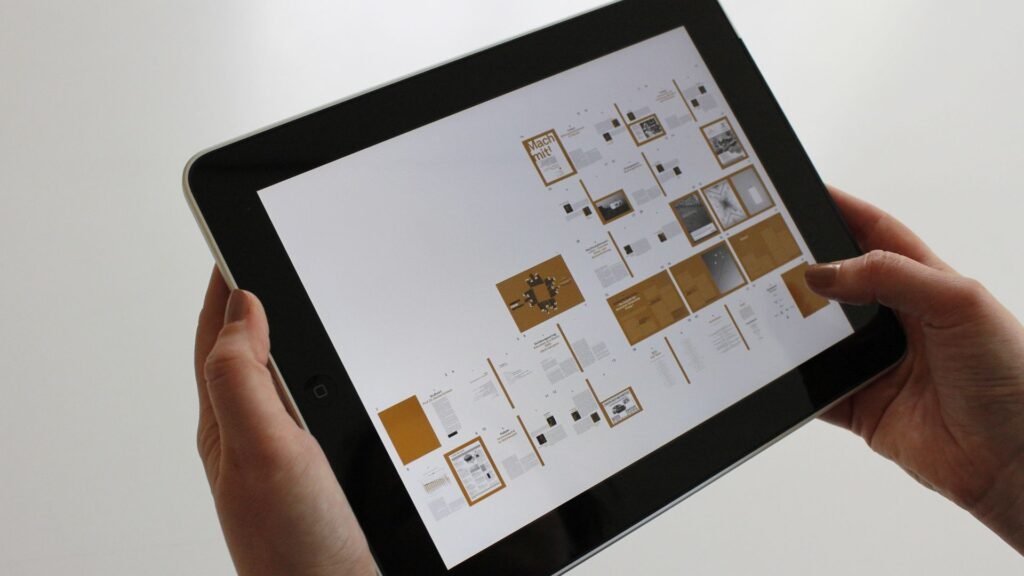
Every magazine reader will have to decide at some point whether to go for a physical magazine or a digital version. Whilst both contain the same content, the experience can be very different and the cost differs between the two.
Depending on how, where and what you want from your magazine will determine which version is best for you.
This guide will compare digital and Print Magazines based on price, experience, portability, Eye Strain, collection and Environmental Impact. You’ll find a clear conclusion on which version is worth your money depending on your type of reader.
Magazine Market in 2026
Whilst it can seem like Print Magazines are becoming outdated, the market shows otherwise. According to Research and Markets via GlobeNewswire (August 2026), the global magazine publishing market is worth around USD 91.06 billion in 2026 and is set to rise to around USD 101.75 billion by 2031.
However, print still accounted for 64.12% of the market revenue in 2025. Whilst digital magazines are growing quicker, print is still where most of the money lies. Digital magazines have been predicted to grow by 6.21% per year until 2031.
As for how magazines are making money, subscriptions accounted for 54.37% of market revenue in 2025 according to Research and Markets. Whilst this remains the staple of the magazine industry, advertising has been predicted to grow the quickest at 5.46% per year. This means that magazines that are advertised can often be cheaper, whilst magazines that are subscription based will need to ensure readers are happy to renew.
According to Roy Morgan Australian Readership data, 14.5 million Australians read magazines either in print or online within a 12 month period ending June 2026.

Price
Price is generally where most readers will start. On average, Print Magazines will be more expensive to buy individually than digital. This is due to print production and postage costs. Whereas digital magazines don’t have any printing or postage costs, so often will be cheaper to buy. Sometimes they can be included as part of a larger subscription.
Print subscriptions usually cost more than digital, as there is still printing and postage costs to consider. However, digital subscriptions can sometimes come with previous issues or extra content for a similar price. If you read multiple magazines a month, an unlimited digital subscription may be cheaper per issue. However, you will need to be reading the magazines included.
One advantage print has over digital is that you can share, borrow or give them away. If you leave a print magazine in a waiting room, give it to a friend or pass it on in a family, you’re getting more than one read for the same price. Whereas digital magazines are usually only tied to one account and can often not be shared.
Digital will require you to have a device with a charged battery. Usually you’ll also need an internet connection to download the magazine. Print requires nothing but light and a seat.
Overall digital magazines are usually cheaper per issue, especially if you go for a subscription. However, print can be more value for money if you’re sharing or keeping them. Prices can often change frequently and differ between countries, so make sure to check the publishers site for current prices. See our guide to the best magazine subscriptions in 2026 to help you choose.
Experience
Most people will find Print Magazines slower to read. The large pages and high quality pictures won’t distract you from the content. You can flip through the pages, dog ear corners and put it down knowing you’ll be able to pick it up again in the same place. Long features, photo essays, fashion spreads and food photography will look amazing in print, whereas a small phone screen won’t do them justice.
Digital magazines offer a different experience. You can search the text, click on links, zoom in on pictures and jump straight to sections using the contents. Some digital magazines will also have videos, audio and interactive graphics which print can’t offer. If you like looking up recipes, locations or products mentioned in articles, digital makes it easy.
Print will never run out of battery, need updating or show notifications. If you want to avoid screen time whilst reading, print is the way to go. However, digital offers a more convenient experience.
Neither is better for everyone. Print offers a slower, visual and distraction free way to read. Digital offers a quick, searchable and connected experience. The best option for you will depend on how you like to read.
Portability
Digital magazines have a huge advantage here. You can fit tens or hundreds of issues onto your phone or tablet with no extra weight. You can have a whole years worth of reading in your bag. If you’re travelling, commuting or going on holiday this can be a big plus.
Print Magazines can be quite heavy and take up a lot of space. If you’re reading one a month, you’ll quickly start filling up a shelf, then a cupboard. Taking more than one or two issues with you on a trip is not practical. They can also easily become creased, wet or torn in your bag.
However, print can be read anywhere. No batteries, signals or downloads required. Whether you’re on the beach, plane or somewhere with no internet, you can still read.
For most people who like to travel light or read on the go, digital is the clear winner. However, if you’re mostly reading at home in your favourite chair, print won’t be an issue.
Eye Strain
This factor can affect your decision more than you think. Paper won’t glow, flicker or shine into your eyes. It’ll reflect the light in the area, similar to a book. Many readers will find they can read for longer without Eye Strain or headaches.
Screen will glow. Even a good tablet can cause Eye Strain after a long time of reading. Phones can be worse due to small text and being held close to your face. You can reduce this by turning down the brightness or increasing the font size, but it won’t be the same as paper.
However, digital offers comfort features that print can’t. You can zoom in, change the font, increase the spacing or use a dark background. This can be a massive help for people with poor eyesight. Print can only be one size, and if it’s too small there’s nothing you can do except use reading glasses.
If you’re reading for extended periods of time or mostly in the evening, print will usually be kinder on your eyes. If you need larger text or screen adjustments, digital will be more comfortable.
Collection
If you’re a collector, this really isn’t a decision. Print Magazines are physical items. If you have a special edition, first issue or just love the cover with your favourite person on it, you can keep them, display them and come back to them years later. Collectors love having the cover, paper and feeling like you’ve completed a run. Digital files just aren’t the same.
Print will also retain its value. Rare issues can be sold, swapped or given away. Digital issues are usually licences so can be lost if the service shuts down, your subscription ends or the publisher removes it from the app. This is a small risk for most readers but will affect those looking to build a collection.
If you’re collecting them because you love the physical item, cover or memories then print is the only option for you. However, if you’re collecting them to look up information, digital can often be a better option. Many readers will use a mix of digital and print.
Environmental Impact
Often people will say paper is bad for the environment as it uses trees and screen uses electricity. However, there’s more to it than that.
Print uses paper, ink and energy to print. It also uses fuel to deliver. If you’re only reading it once and throwing it away, it’ll have a bigger impact per read than if you’re sharing, passing on or recycling.
Digital doesn’t use any paper or delivery. However, your device will have had to be made, delivered, charged and will eventually need to be replaced. The servers storing and delivering your issues will also use energy. However, if you’re using a device you already own and use for lots of other things, the extra impact of reading one issue is minimal. However, if you’re buying a new device to mainly read magazines on and are replacing it often, it’ll have a huge impact.
Depending on your habits print can be a good option. If you’re reading lots, sharing and recycling it’ll have a smaller impact. However, if you’re reading lots on a device you already own, keeping it for years and not printing articles it can be a lighter option. There isn’t a clear winner for everyone and claims that one is always greener should be taken with a pinch of salt.
The Verdict: Which Format for Which Reader?
There isn’t a clear winner as everyone is different. Here’s the honest conclusion depending on your type of reader.
Casual Reader – You’re an occasional reader and often reading at home. You want to take a relaxing break from your screen. Print is best for you. Buy individual issues of your favourite magazines, enjoy the large pictures and relax. Don’t waste your money on a subscription you won’t be using enough.
Commuter – You’re reading on the train, bus and in waiting rooms. Digital is clearly the best option. Having multiple issues on your tablet or phone and downloading them offline will be much more practical.
Collector – You’re buying magazines to keep, display and come back to. Print is the only real option. Choose your favourite special editions and covers and keep them stored well.
Student – You’re reading for studying and reference. Digital is the best option. You can search, change the font size and have lots of issues on hand. Digital subscriptions can also be cheaper.
Gift – You’re buying for someone else and want to make it feel special. Print is best. A print subscription will feel like a gift every month compared to an email with a login code. Choose a magazine they’ll love and check the current prices and gift options on the publishers site.
If you’re still unsure which magazines to choose, check out our guides to the best magazine subscriptions in 2026 and most popular magazines in the world in 2026. This will help you choose the magazines first and then the format.
FAQs
Are Print Magazines cheaper?
Usually yes. Digital issues will be cheaper than print ones. Digital subscriptions will also be cheaper than print ones as there are no printing or postage costs. However, print can be more value for money if you’re sharing them. Always check the current prices on the publishers site.
Can I read digital magazines offline?
Yes, usually. Most magazine apps allow you to download the issue whilst you have internet and read them without a signal. This is great for travelling on planes, trains and holidays. Just check the app for your chosen magazine.
Are digital magazines the same as print?
Many digital magazines will be identical to print. However, some will be designed for screens with responsive text. This will usually be easier to read on your phone. However, identical versions will look better on a larger tablet. Try a free sample issue if available.
Is it bad for my eyes to read on a screen?
Screens can cause Eye Strain quicker than paper. Especially if you’re reading for long periods of time or in the evening. The screen will glow and often have small text. Take breaks, turn down the brightness and increase the text size. If you’re reading for long periods of time and get tired eyes quickly, print will often be more comfortable.
Will Print Magazines go out of fashion?
Not in the near future. Print still accounted for 64.12% of market revenue in 2025 according to Research and Markets via GlobeNewswire. The overall magazine market is set to rise to around USD 101.75 billion by 2031. Whilst digital is growing faster, print is still a large and valued part of the industry.
Conclusion
Digital and Print Magazines aren’t battling it out. Print is still the larger part of the market in terms of revenue but digital is growing faster. Millions of readers use both. It really depends on you.
If you love reading slowly and visually, want to collect special editions, take a break from your screen or are buying as a gift then print is best for you. If you’re travelling light, reading on the go, need searchable text, larger fonts or want a whole library in Your Pocket then digital is best for you. If you want the best of both worlds then choose both!
Whatever you choose, make sure you’re choosing magazines you’ll actually read. If you finish and enjoy them then they’ll be worth your money. If you’re not opening them then they won’t be worth your money in any format.