Getting a magazine onto a newsstand shelf is a milestone for a small publisher. It is the moment your publication stops being something you hand to friends and starts being something a stranger can discover, pick up, and buy. That moment is exciting, but it is easy to misunderstand. Newsstand distribution is not simply printing copies and dropping them off at a shop. It is a separate part of publishing, with its own preparation, its own chain of businesses, and its own expectations.
This guide explains that chain in plain terms. It covers how to prepare an issue for retail, who distributors and wholesalers are, how consignment works, how pricing and margins work in general terms, and how to build local stockist relationships before expanding. If you are still at the very beginning, read this alongside How to Start a Magazine and How Much Does It Cost to Start a Magazine?.
Why Newsstand Distribution Is Different
When you sell directly, you control almost everything. You choose the price and talk to the buyer. A reader who buys from your website or at an event has already found you.
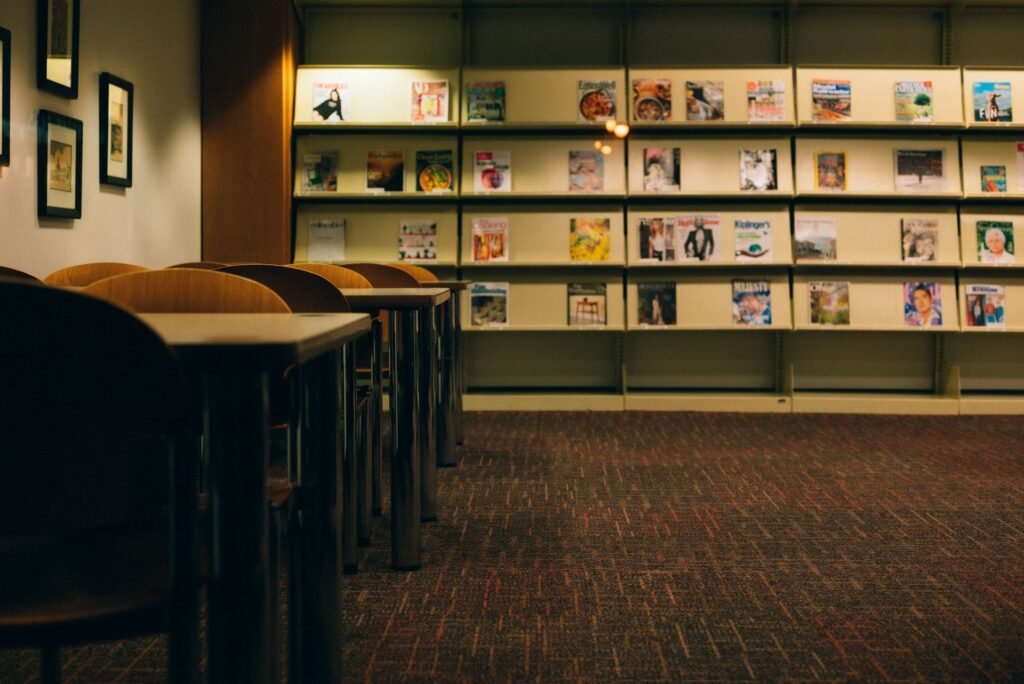
A newsstand sale works the other way round. The reader has not come looking for you. They are browsing a shelf full of competing titles, many of them familiar and produced by much larger publishers. Your magazine has a few seconds to catch their eye, explain what it is about, and persuade them it is worth picking up.
A distributor or a shopkeeper is not doing you a favour by stocking your magazine. They are giving up limited shelf space, and they need to believe your magazine has a reasonable chance of selling. Your job is to make that belief easy, by preparing the magazine properly and starting at a scale you can manage.
Prepare the Issue for Retail First
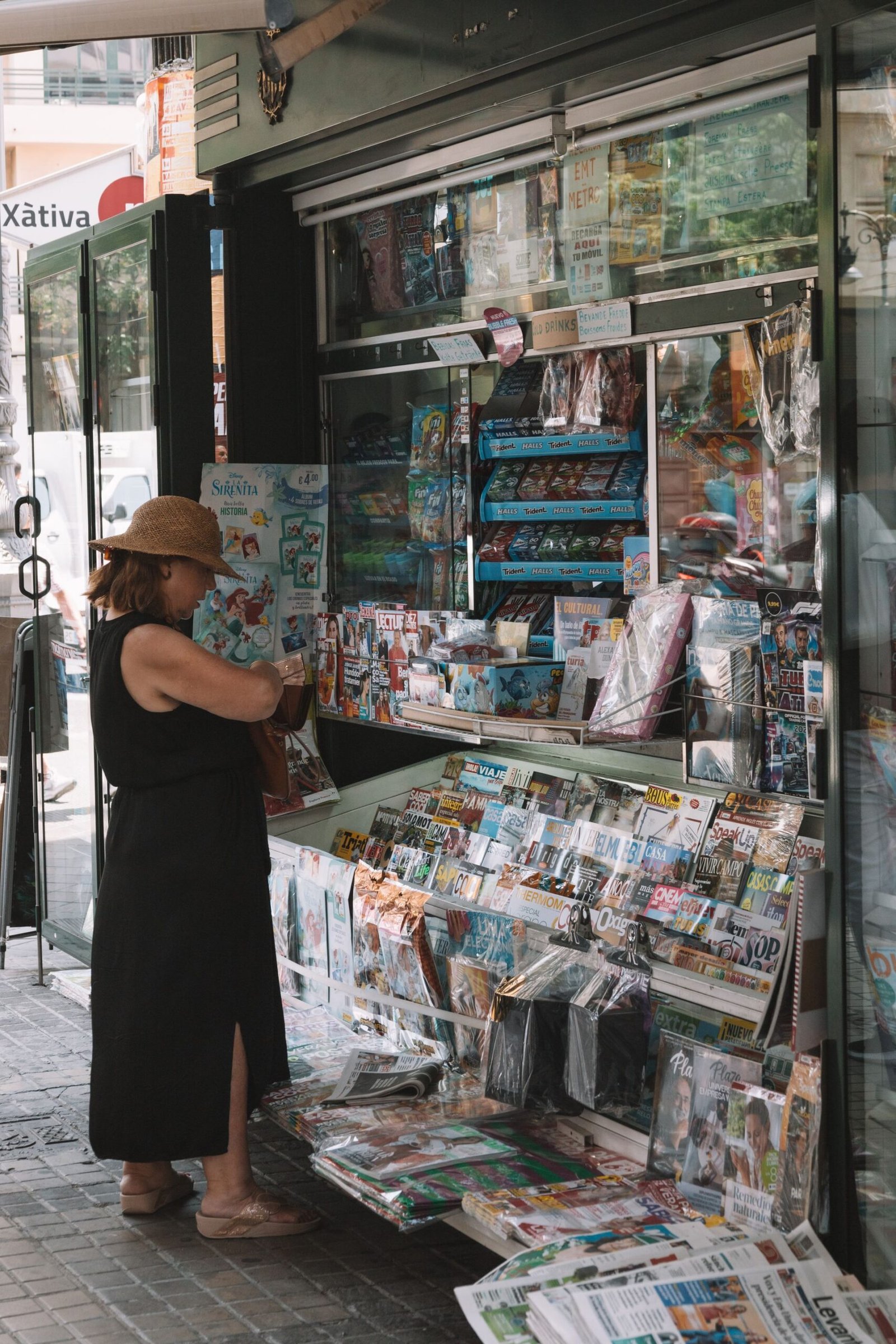
Before you contact a distributor or a shop, your magazine needs to be ready to sit on a shelf next to established titles. Retail readiness is not about being perfect. It is about removing the practical obstacles that would stop a shop from stocking you, or stop a reader from buying you.
The Cover Has to Work at a Distance
A cover does a different job in a shop than it does on a screen. On a screen, a reader can zoom in and take their time. On a shelf, your cover may be partly hidden, seen from an angle, or viewed from several steps away. The title needs to be clear, the main image needs to be understood quickly, and the cover lines need to tell a browsing reader what is inside.
Test your cover by printing it at full size and looking at it from across a room. Test it again with the top third covered, because that is often all a reader will see when magazines overlap on a rack. For a deeper look, see Magazine Cover Design: What Makes a Cover Sell. Consistent use of your title and a professional finish also help a shopkeeper take your magazine seriously.
Spine, Back Cover, and Finish
If your magazine is thick enough to have a spine, use it. A spine carrying the title helps a reader find your magazine when it is shelved spine-out. Think about how it will be displayed: laid flat, stood upright, or hung from a hook.
The back cover matters too. Many readers turn a magazine over before they decide to buy. A blank or messy back cover wastes that moment. It can carry a short description, a strong image, or details of where to find you online. Inside, a contents page and a short editor’s note tell a reader who flicks through that the magazine has been put together with care.
What an ISSN Is
An ISSN is the standard identifier for a serial publication. Serials are publications issued in a sequence, such as magazines, journals, and newspapers, as opposed to one-off books. The ISSN gives your magazine a unique, recognised identity in catalogues, library systems, and parts of the supply chain. It helps other organisations refer to your title without confusion, especially if another publication has a similar name.
It is normally printed on the magazine, often near the barcode or in the small print with the publisher details, and it is associated with the title rather than with a single issue. What matters is that you have one, that it is correct, and that it is in the place where distributors, retailers, and librarians expect to find it.
What a Barcode Does at Retail
A barcode is the small pattern of lines and numbers, usually on the back cover, that a shop can scan at the till. Scanning it tells the till what the product is and what it should cost. Without a scannable barcode, many shops simply cannot sell your magazine through their normal system. They would have to enter the price by hand, and most busy shops will not do that for a new title.
Understand the Distribution Chain
The publisher is you. You create the magazine, arrange printing, set the cover price, and are responsible for the content. Everything else in the chain exists to move your magazine from the printer to the reader, and to handle payment along the way.
A distributor works with publishers to get magazines into shops. It may handle many titles and have relationships with wholesalers and retailers that a small publisher would find hard to build alone. Some distributors work nationally, some regionally, and some specialise in particular kinds of magazines.
A wholesaler buys magazines in bulk and supplies them to retailers. Wholesalers often sit between distributors and shops. In some chains, the distributor and the wholesaler are separate businesses. In others, one business does both jobs. Copies move from you to a distributor or wholesaler, and from there to the individual shops. Each step takes a share of the cover price to cover its costs.
Approaching Distributors and Wholesalers
Approaching a distributor is a business conversation, not a favour. You are offering them a product to sell. Before you make contact, gather what they are likely to ask for: a clear description of your magazine, who it is for, and what makes it different; your schedule, print run, and cover price; your plans for promotion; and a sample copy, so they can judge the quality. Include your ISSN, barcode, delivery arrangements, and returns policy.
Keep your message short, clear, and professional. Say what your magazine is, who reads it, and why it would work in the outlets they serve. Do not oversell, and do not promise sales you cannot guarantee. What stands out is a publisher who is realistic, understands the chain, and has a magazine genuinely ready for retail.
Consignment Deals With Independent Shops
For many small publishers, the first step into retail is not a national distributor. It is a consignment deal with a local independent bookshop, cafe, gift shop, or community space. Consignment is low risk for the shop and low risk for you.
In a consignment arrangement, you leave copies with the shop, and the shop only pays you for the copies that sell. Unsold copies are returned to you after an agreed period. The shop takes a share of the price of each copy sold, as its payment for displaying and selling the magazine. The exact split is a matter for negotiation and will vary from shop to shop. The shop does not have to pay for stock in advance, and you do not have to find a buyer before you can place copies.
Keep it simple and professional. Approach the shop in person if you can, with a sample copy in hand. Explain what the magazine is, who it is for, and why it would suit their customers. Offer a small number of copies to start with. Agree, in writing if possible, how many copies you are leaving, what the price is, what share the shop will keep, how long the copies will stay, and what will happen to unsold copies. Leave your contact details, and agree when you will check in.
Pricing and Margins in General Terms
Pricing a magazine for retail is one of the hardest decisions a small publisher has to make. Price it too low, and you may not cover your costs, even if it sells well. Price it too high, and readers may pick up a cheaper, more familiar title instead. There is no single right price, because it depends on your costs, your format, your subject, and the market you are in.
Understand how the cover price is shared out. When a reader buys your magazine, the amount they pay is not the amount you receive. The retailer needs a share to cover the shop, the staff, and the shelf space. The distributor and the wholesaler, if they are involved, also need a share. What is left is your share, from which you still have to pay for printing, design, contributors, postage, and your own time.
Work out your costs before you set a price, and think about how many copies you would need to sell to make a print run worthwhile. If your share of each sale is small, you will need to sell a lot of copies. If your print run is small, your cost per copy may be higher. That is why many small publishers start with a modest print run, test the market through direct sales and consignment, and only increase the run when they have evidence that the magazine sells.
Building Local Stockist Relationships
The most reliable route into newsstands for a small publisher is often a gradual one. Start local, build relationships, learn what works, and expand only when you have evidence that you can supply reliably and sell consistently.
Local stockists are valuable because they are easier to visit and more likely to give you honest feedback. They can tell you which cover caught a reader’s eye, which article was mentioned, and whether the price felt right. That feedback is hard to get from a large distributor, but it is invaluable when you are still refining your magazine.
What Retailers Expect, and Mistakes to Avoid
Retailers expect a publisher to be reliable: delivering on time, delivering the right number of copies, delivering copies that are undamaged, and communicating clearly if there is a problem. They also expect a clear returns process, so unsold copies can be handled without confusion.
Common mistakes are easy to avoid once you know them. Do not approach distributors before the magazine is ready, with no barcode, no ISSN, or a weak cover. Do not print too many copies too soon; a smaller, realistic print run is a better starting point, and you can always reprint if a magazine sells out. Do not neglect the relationship with the shop: leaving copies and never returning, or failing to collect unsold copies, damages trust. And do not ignore the reader. If you spend all your time on the supply chain and no time on the content and the cover, the magazine will not sell, however well it is distributed.
A Practical Step-by-Step Approach
First, finish an issue ready for retail: a strong cover, a clear title, a barcode that scans, an ISSN, and a professional finish. Print a sample and check it carefully, in a shop if you can.
Second, work out your costs and your price. Understand what your share of each sale will need to be, and how many copies you would need to sell to make the print run work. Keep the print run realistic.
Third, start with direct sales and local consignment. Sell through your own website, at events, and through a small number of well-chosen local shops. Learn who buys your magazine and what they say about the price and the cover.
Fourth, build a simple record of your stockists and sales. Note what sells, where it sells, and how quickly. Use it to plan your next issue and to decide whether to increase the print run.
Fifth, when you have a track record, approach a distributor or wholesaler. Use your sales record, sample copies, and local stockists as evidence that your magazine can sell. Ask clear questions, get any agreement in writing, and start at a scale you can manage.
Frequently Asked Questions
Do I need a barcode to sell my magazine in a shop?
In most cases, yes. A barcode lets a shop scan your magazine at the till and record the sale through its normal system. Without one, many shops will find it difficult to sell your magazine. Make sure it is correct for the issue, placed clearly on the back cover, and tested before you print a large run.
What is an ISSN, and do I need one?
An ISSN is the standard identifier for a serial publication, such as a magazine. It gives your title a unique, recognised identity and helps distributors, retailers, and libraries refer to it correctly. Most distributors will expect your magazine to have one.
How do I find a distributor for my magazine?
Start by understanding what kind of distributor you need: some work nationally, some regionally, and some specialise in particular subjects. Prepare a sample copy, a clear description of your magazine and its readers, and details of your schedule, print run, and price. Then approach distributors with a short, professional message, and use local stockists to build a track record first if you need to.
What is consignment, and is it a good way to start?
Consignment is an arrangement where you leave copies with a shop, and the shop only pays you for the copies that sell. Unsold copies are returned to you after an agreed period. It is a good way to start because it is low risk for the shop, it lets you test whether your magazine sells, and it helps you build relationships with stockists.
How many copies should I print for my first newsstand attempt?
There is no single answer, because it depends on your costs, your stockists, and your direct sales. A good starting point is a modest, realistic run based on what you can actually sell through the shops and channels you already have, rather than on what you hope to sell. You can increase the run later if the magazine sells well.
Conclusion
Getting your magazine on newsstands and in stores is not a single action. It is a process that starts with a magazine ready for retail, continues through an understanding of distributors, wholesalers, and retailers, and grows through careful, local relationships before it expands further.
If you are just beginning, start with one good issue, a clear cover, a working barcode, and an ISSN. Find a few local shops whose customers match your readers, offer them copies on consignment, and learn from the experience. Keep a record of what happens, keep promoting the magazine, and keep improving it. Over time, those small steps add up: a magazine that is stocked in a handful of shops, that sells steadily, and that arrives on time, issue after issue, is a magazine a distributor can take seriously, and a magazine a reader will come back to.