
Starting a magazine sounds expensive, and in some ways it is. A printed magazine has paper, ink, postage and storage to pay for. A digital magazine has design, hosting and promotion to pay for. Yet the real answer is simpler than many people expect: the cost depends far more on the kind of magazine you want to make than on any fixed price list.
There is no single figure that covers every new magazine. A small digital magazine made by one person is a very different project from a glossy printed magazine sold in shops. What matters is understanding where the money goes, which costs are essential, and how your early choices shape the budget for your first issue — and for the second one too.
This guide breaks down the main costs: design, printing, contributors, a website and distribution. It compares digital-only, print and hybrid magazines, looks at budget thinking for a first issue, suggests ways to keep costs down, and explains why you should plan for the second issue early. If you are still at the idea stage, read our guide on how to start a magazine.
Why There Is No Single Price
The format is the first big decision. A digital magazine has no printing or postage bill, but it still needs good design, good writing and a way for readers to find it. A print magazine gives readers a physical product they can hold and keep, but every copy costs money to produce and deliver. A hybrid magazine tries to get the best of both, and usually ends up paying for both.
Size, frequency and team matter too. A short magazine is cheaper to design, write and print than a long one. A quarterly magazine gives you more time to gather material than a monthly one. If you do everything yourself, your main costs are time and tools. If you pay writers, photographers and designers, the cost rises, but so does the quality.
The Market in 2026
It helps to put your plans in context. The global magazine publishing market is about USD 91.06 billion in 2026, rising to USD 101.75 billion by 2031, according to Research and Markets, via GlobeNewswire, August 2026. That is a large market, and it is still growing, which means there is room for new magazines that find a clear audience and serve it well.
Print is still the larger part of that market. Print held 64.12% of market revenue in 2025, according to Research and Markets, via GlobeNewswire, August 2026. Digital is the fastest-growing format, with 6.21% CAGR projected to 2031, according to the same source. In plain terms, print still earns most of the money, while digital is growing fastest.
Digital-Only: The Lowest-Cost Way to Start
A digital-only magazine is usually the cheapest way to start, and for many new publishers it is the sensible first step. There is no printing bill, no postage bill and no need to store boxes of unsold copies. You can publish from anywhere, reach readers anywhere, and change things quickly if something does not work. If an article needs a correction, you can fix it. If a section is not popular, you can drop it.
The main costs are design, content and the website. Design is still essential: a digital magazine that looks careless will not be taken seriously, even if the writing is good. You need a clear layout, readable type, good images and a consistent style.
Print: The Most Expensive, and the Most Tangible
Print is the most expensive way to start a magazine, and it is also the most tangible. Readers can hold it, flick through it, leave it on a coffee table and come back to it later. For many readers, that physical experience is part of what makes a magazine feel like a magazine rather than a website.
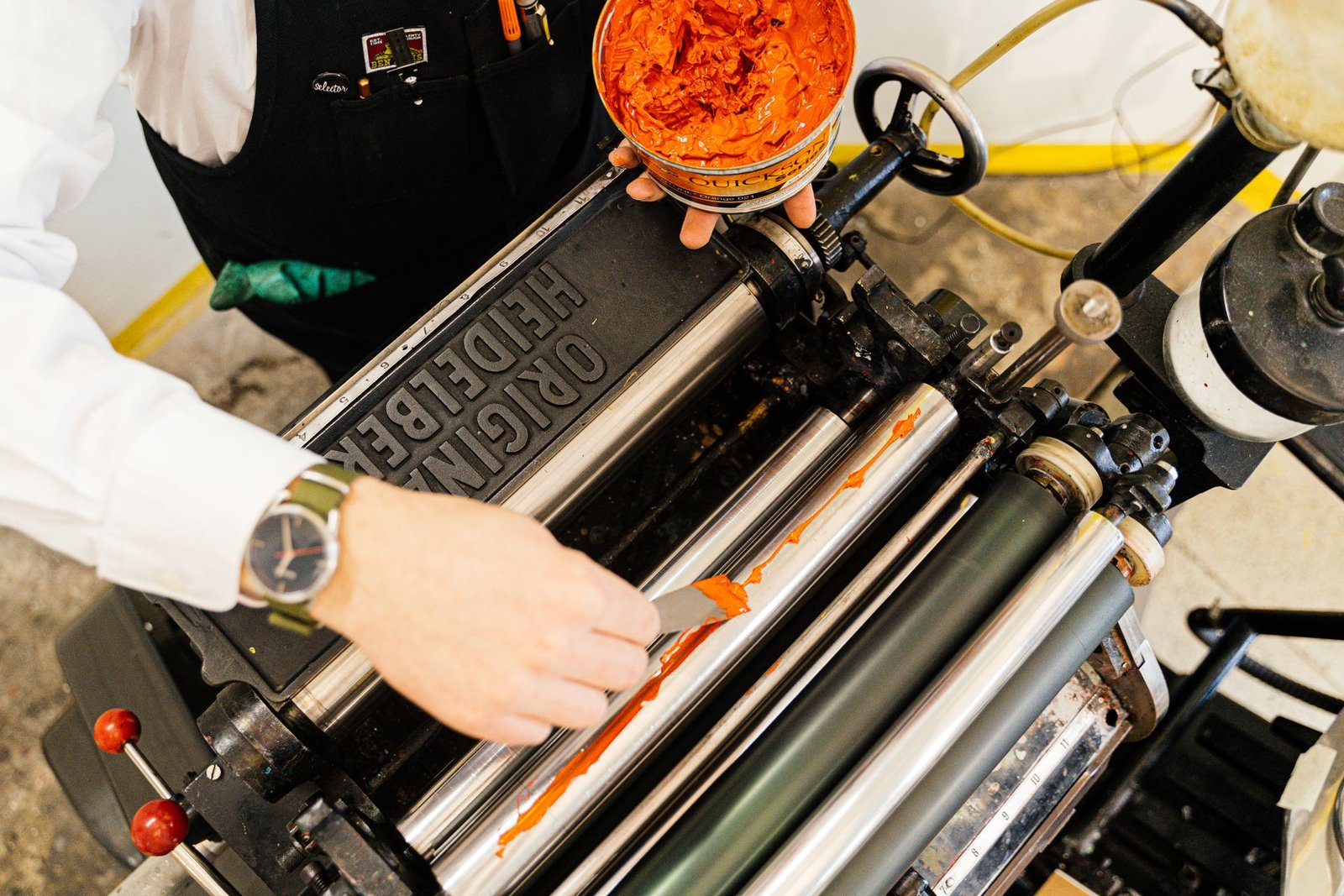
The main extra cost is printing itself. Paper, ink, binding and finishing all cost money, and the price depends on the size of the magazine, the number of pages, the quality of the paper, the use of colour and the number of copies. Printing more copies usually lowers the cost per copy, but it raises the total bill and leaves you with more copies to sell or store.
To give one concrete, sourced anchor, a September 2026 US printer quote was about $2,971 for 1,000 copies of a 48-page full-colour issue, according to Pelcro. As a clearly labelled illustrative example built around that sourced anchor, that works out at just under three dollars per copy for printing alone, before design, content, postage or anything else. That figure is not a price you should expect to pay everywhere: it is one quote, for one specification, in one market, at one point in time. Paper prices, print quality, page count and location all change the price. But it gives a useful sense of scale, and it shows why you should always get fresh quotes for your own specification.
Hybrid: Print and Digital Together
A hybrid magazine publishes in both print and digital, and it is the model many independent magazines end up with. The print edition gives readers something to hold and gives the magazine a sense of occasion. The digital edition reaches readers who live far away, who prefer reading on a screen, or who discover the magazine online and want to read it straight away.
The advantage of hybrid is reach. You are not choosing between print readers and digital readers — you are serving both. The digital edition can also carry material that does not fit in print: extra photographs, longer interviews or links to sources.
Design
Design is one of the first costs you will face, and one of the most important. Readers judge a magazine by its cover and its first few pages, and they decide very quickly whether it feels professional and worth their time.
Design costs depend on who does the work and how much work there is. If you design the magazine yourself, the cost is mainly your time and the software you use. If you hire a designer, you pay for their skill, experience and time.
Printing
Printing is the cost most people think of first, and it is the cost that varies most with the specification. The number of pages, the size of the pages, the paper, the colour, the binding and the number of copies all affect the price. A small magazine with fewer pages is cheaper to print than a large one, and a magazine printed in black and white is cheaper than one printed in full colour.
The sourced anchor given earlier is the only specific printing figure used in this guide: a September 2026 US printer quote of about $2,971 for 1,000 copies of a 48-page full-colour issue, according to Pelcro. Everything else about printing should be treated as a question to ask a printer, not a figure to assume. Get quotes for more than one specification — for example, a shorter issue and a longer issue, or a smaller print run and a larger one — so you can see how the price changes. Ask what is included, whether delivery is included, and what the turnaround time is.
Contributors
Contributors are the people who make the magazine worth reading: writers, photographers, illustrators and editors. Their cost depends on how many people you use, how much work each person does, and whether you pay them, offer them exposure, or work on a profit-share basis.
Paying contributors is the fairest and most sustainable approach, and it usually produces the best work. Writers and photographers who are paid properly are more likely to deliver on time and to work with you again. The cost is not just the fee itself: you also need to allow time for briefing, editing and feedback.
A Website
Every magazine needs a website in 2026, even a print-only magazine. The website is where readers find out about the magazine, read sample articles, subscribe, buy back issues and contact you. It is also where search engines and social media send people who have heard about the magazine and want to know more.
The cost of a website depends on how much you build yourself and how much you pay someone else to build. A simple website using a standard platform and a ready-made design can be set up quickly and cheaply. A custom website with special features — a subscriber area, a shop, a searchable archive — will cost more, both to build and to maintain.
Distribution
Distribution is the cost of getting the magazine to readers, and it is often the cost that new publishers underestimate most. For a digital magazine, distribution means email, social media and search. For a print magazine, it means postage, packaging, shops and distributors.
Postage is a major cost for print. Sending a magazine by post is more expensive than sending a letter, because magazines are heavier and larger. The cost depends on the weight of the magazine, the distance it travels and the service you use.
Budget Thinking for Your First Issue
The first issue is the hardest to budget for, because you have no sales history to learn from. You do not yet know how many copies you will sell, how many subscribers you will get, or how much advertising you will attract. The best response is to plan carefully, keep the first issue manageable, and avoid spending money you cannot afford to lose.
Start by deciding the format, the size and the frequency. A short, well-made first issue is better than a long, rushed one. A quarterly first issue gives you time to get it right.
Ways to Keep Costs Down
Keeping costs down does not mean making a cheap-looking magazine. It means spending money where it matters most and saving money where it does not. The most effective way is to keep the first issue focused. A magazine with a clear subject, a clear audience and a limited number of sections is cheaper to make and easier to read than one that tries to cover everything at once.
Doing some of the work yourself is the most obvious saving, if you have the skills and the time. Be honest about what you can do well and what you should pay someone else to do. A founder who is a good writer but a poor designer should write and hire a designer, rather than doing both badly.
What to Budget for the Second Issue
Many new magazines plan carefully for the first issue and forget the second. That is a mistake. The second issue is when the magazine has to prove it can keep going, and it is often harder than the first, because the excitement of the launch has worn off and the real work of running a magazine has begun.
The second issue has many of the same costs as the first: design, content, the website and, for print, printing and distribution. Some costs will be lower the second time, because you already have a design template, a website and a list of contributors. Some will be higher, because you will know more about what works and what needs to be improved.
Frequently Asked Questions
Is it cheaper to start a digital magazine than a print magazine?
In most cases, yes. A digital magazine has no printing, postage or storage costs, so the starting costs are usually lower. It still needs good design, good content and a good website, and it still needs time and effort to reach readers. But the financial risk is lower, because you are not paying to produce physical copies before you know how many readers you have.
How much does it cost to print a magazine?
It depends on the size, the number of pages, the paper, the colour, the binding and the number of copies. There is no single price, and you should always get fresh quotes for your own specification. The only specific printing figure used in this guide is a September 2026 US printer quote of about $2,971 for 1,000 copies of a 48-page full-colour issue, according to Pelcro. Use it as a sense of scale, not as a price to budget from.
Do I need to pay writers and photographers?
You do not have to pay contributors for a first issue, especially if you are writing and photographing the magazine yourself or working with people who are happy to contribute for the love of the subject. But paying contributors is fairer, more sustainable and usually produces better work. If you cannot afford to pay everyone for the first issue, be honest about what you can offer, give proper credit, and plan to pay contributors as soon as the magazine begins to earn money.
Can a magazine make money in its first year?
Some magazines do, and many do not. Independent magazines funded by subscriptions, events and custom content generate roughly $150K–$800K annually, according to ZenBusiness, August 2026, but that is a wide range covering very different magazines, and it describes annual revenue for established independent titles rather than a promise for a first issue. A new magazine should plan to cover its costs first, and to make a profit later.
Should I start with print, digital or both?
It depends on your readers and your budget. Digital is usually the cheapest and most flexible way to start, and it lets you test your idea before committing to print. Print is more expensive, but it gives readers a physical product and can build loyalty. Hybrid gives you both, but it costs more than either format on its own. If you are unsure, starting digital and adding print later is a sensible middle path. Our comparison of digital vs print magazines looks at the trade-offs in more detail.
What is the biggest cost people forget when starting a magazine?
Distribution is often the forgotten cost, especially for print. Many new publishers budget carefully for design, writing and printing, and then discover that postage, packaging, shops and distributors add a large extra bill. Time is the other forgotten cost: the hours spent editing, proofreading, chasing contributors, answering readers and promoting the magazine are real costs, even if they do not appear as a line in the budget.
Conclusion
Starting a magazine in 2026 costs as much as the magazine you choose to make. A small digital magazine made by one person is a modest project. A printed magazine with paid contributors, original photography and wide distribution is a serious financial commitment.