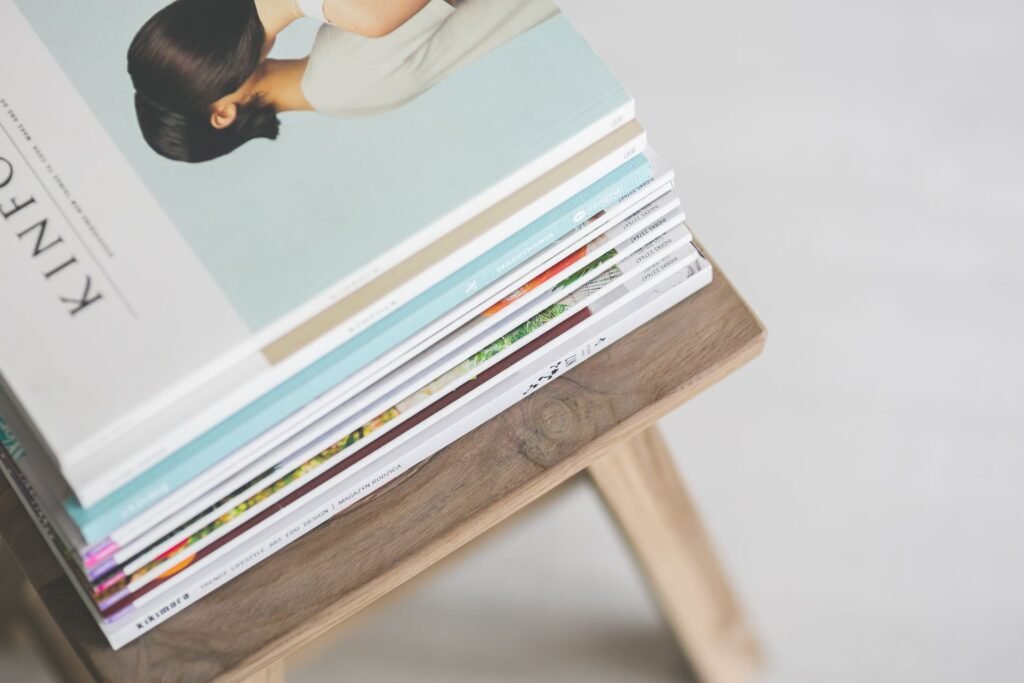
While the biggest magazines in the world fight for attention on crowded newsstands, something quieter and more interesting is happening at the edges. Small, independent magazines — made by tiny teams, for passionate readers, about subjects the big titles would never touch — are thriving. They are beautifully designed, fiercely loved, and, increasingly, financially real businesses.
This is the story of the indie magazine boom: why small magazines are succeeding while mass-market titles struggle, how they make money, who reads them, and what they mean for anyone who loves magazines — or dreams of starting one. For the business side in more detail, see our guide to how magazines make money.
What is an independent magazine?
An independent magazine is a title published outside the big publishing houses, usually by a small team or even a single person. It is independent in ownership, and usually independent in spirit too: it exists because its makers care about a subject, not because a corporation decided the subject was profitable.
Indie magazines are usually niche. Instead of covering everything for everyone, they cover one thing deeply for the people who love it most. There are indie magazines about typefaces, about brutalist architecture, about wild swimming, about obscure music scenes, about single cities, about single foods. If a subject has a passionate audience, there is probably an indie magazine for it — or there soon will be.
They are also usually beautiful. With small print runs and no need to please advertisers with mass appeal, indie magazines can take design risks: unusual sizes, experimental layouts, beautiful paper, and covers that look like art. Many readers buy them as objects as much as for their content, and keep them on shelves long after reading.
Why the big magazines are struggling
To understand the indie boom, you have to understand what happened to the big magazines. The mass-market model was built on a simple idea: gather a huge audience, sell that audience to advertisers, and use the advertising money to keep the cover price low. For decades, it worked brilliantly.
Then the internet took the audience. Readers who once bought a general-interest magazine for a little of everything now get their news, their celebrity gossip, and their sports scores free and instantly online. Advertisers followed the audience. The big magazines that remain have had to cut costs, cut pages, and cut staff, and many have closed altogether.
The overall magazine market is still large — about USD 91.06 billion in 2026, rising to about USD 101.75 billion by 2031, according to Research and Markets, via GlobeNewswire, August 2026 — but the money has moved. Print still held 64.12% of market revenue in 2025, and subscriptions were 54.37% of revenue, according to the same source. The titles that survive are the ones with readers willing to pay directly. And the readers most willing to pay are the passionate ones — which is exactly the audience indie magazines serve.
Why small magazines are thriving
Independent magazines succeed for the opposite reasons the big ones struggle. They do not need a huge audience. A magazine with a few thousand loyal readers can be a real business, because those readers care enough to pay a premium price, to subscribe, and to buy merchandise and attend events.
Passion is the key. An indie magazine’s readers are not casual browsers; they are members of a community. They share the magazine’s values, they know the subject deeply, and they want the magazine to exist. That loyalty is worth more than a large, indifferent audience, because loyal readers renew, recommend, and spend.
The economics help too. Digital tools have made it cheaper than ever to design, print, and distribute a small magazine. A founder can design an issue on a laptop, print a small run through a short-run printer, sell copies through an online shop, and reach readers anywhere in the world through social media. The barriers that once kept small publishers out have fallen away.
And the creator economy has changed the audience. Readers are now used to paying creators directly — through subscriptions, memberships, and crowdfunding — and they understand that a small magazine needs their support to survive. That cultural shift has been good for indie publishing.
How indie magazines make money
Independent magazines earn money in several ways, and most combine more than one. According to ZenBusiness, August 2026, independent titles funded by subscriptions, events, and custom content generate roughly $150K–$800K annually — a wide range, and a sign that a well-run indie magazine is a genuine small business, not just a hobby.
Subscriptions are the backbone. A loyal reader who subscribes is worth far more than a casual buyer, because the income is predictable and the relationship is direct. Many indie magazines charge more per issue than mass-market titles, and their readers are happy to pay it, because they know the money goes to the makers.
Single-copy sales matter too, especially in the right shops. Indie magazines sell in independent bookshops, galleries, design stores, and cafes — places where their readers already go, and where a beautiful cover can sell a copy on sight. Stockists take a share, but they also introduce the magazine to new readers.
Events are a growing source of income. Launch parties, talks, workshops, and festivals turn readers into a community and the magazine into a brand. A magazine about food can run a supper club. A magazine about music can run a gig. A magazine about design can run a conference. Events earn money and deepen loyalty at the same time.
Custom content and brand work — making magazines, guides, or content for companies that want to reach the same audience — can be lucrative, though it needs care. The best indie magazines only work with brands that fit their values, because their readers trust them, and that trust is the whole business.
Advertising exists too, but it is different from mass-market advertising. Indie magazines carry fewer ads, from smaller and more relevant advertisers, and the ads often look like part of the magazine rather than an interruption. A craft beer brand in a food magazine, or a camera brand in a photography magazine, makes sense to the reader.
Finally, many indie magazines sell merchandise: posters, tote bags, books, and special editions. A beautiful magazine has a visual identity readers want to wear and display, and merchandise turns that identity into income.
What indie readers actually want
Indie magazine readers are not looking for the cheapest read or the fastest news. They want depth, beauty, and belonging.
Depth means coverage you cannot get anywhere else. An indie magazine about a niche subject should know more about it than any general title, and its readers will notice if it does not. The writers are usually part of the community they write about, and that shows in the detail.
Beauty means design that respects the reader. Indie magazines are often the best-designed publications in the world, because their makers care about paper, type, photography, and layout as much as they care about words. Readers keep them, display them, and photograph them — which is also how new readers discover them.
Belonging means the magazine makes readers feel part of something. The best indie magazines speak directly to their community, feature its people, and reflect its values. Readers do not just buy the magazine; they join it. That feeling is the reason they subscribe, attend events, and tell their friends.
The challenges: it is not all romantic
The indie magazine boom is real, but it is not easy. The challenges are serious, and anyone dreaming of starting a magazine should know them.
Money is the first challenge. A small magazine has small margins, and a bad issue — a printer problem, a stockist that does not pay, a launch that falls flat — can be painful. Most indie publishers work other jobs alongside the magazine, at least at first, and the magazine only becomes their living gradually, if at all.
Time is the second. A magazine is a huge amount of work for a small team: commissioning, editing, designing, proofreading, printing, distributing, promoting, and answering emails. Many indie magazines publish only a few times a year, because that is all a small team can sustain well. That is a sensible choice, not a failure.
Distribution is the third. Getting a small magazine into shops takes effort: finding stockists, negotiating terms, and chasing payments. Many indie magazines sell mainly online, which is simpler but means they must work harder to be discovered.
Burnout is the fourth, and the least talked about. Running a magazine you love, for an audience you care about, on a small budget, is exhausting. The founders who last are the ones who protect their time, share the work, and accept that a magazine can be small and sustainable rather than big and frantic.
How to find and support indie magazines
If you want to read indie magazines, the best places to start are independent bookshops, magazine shops, and online stores that specialise in independent publishing. A good magazine shop is a joy to browse: the staff know the titles, the shelves are full of beautiful covers, and you will discover subjects you never knew had magazines.
Online, social media is the indie magazine’s shop window. Most titles are active on image-led platforms, where they show covers, spreads, and behind-the-scenes glimpses of how an issue is made. Following a magazine before you buy is a good way to learn whether it is for you.
Magazine fairs and festivals
Magazine fairs and festivals are the best places to discover indie titles in person. These events gather dozens of independent publishers under one roof, and you can browse, talk to the makers, and buy copies directly from the people who made them. Many cities now host annual independent publishing fairs, and they are worth seeking out: an afternoon at one will introduce you to more good magazines than a year of browsing online. If there is no fair near you, look for launch events at local bookshops and galleries — a new issue launch is often a small party, and a good way to meet both the makers and other readers. Some fairs also run talks and workshops on publishing, design, and photography, which are useful if you are thinking of starting a magazine yourself.
Supporting indie magazines is simple: subscribe, buy single issues, attend events, and tell people about the ones you love. A subscription is the most valuable thing you can do, because it gives the publisher predictable income and tells them their work matters. If you cannot subscribe, buying a single issue from a small shop still helps, and so does recommending a title to a friend.
Starting your own indie magazine
If reading this makes you want to start a magazine of your own, you are not alone — many indie founders started exactly that way, as readers who wanted a magazine that did not exist yet. The good news is that it has never been cheaper or easier to begin. The honest news is that it is still hard work, and the magazines that last are the ones built on a real community, a clear idea, and a sustainable pace.
Our step-by-step guide to how to start a magazine walks through the whole journey, from finding your niche to launching your first issue. Our guide to how much it costs to start a magazine covers the money honestly, including the printing costs you need to plan for. And our article on magazine cover design will help you make a cover that sells your magazine on a crowded shelf.
The most important advice is the simplest: start small, start with your community, and make an issue you are proud of. A small first issue that exists is worth more than a big one that never happens.
Frequently asked questions
What is an independent magazine?
An independent magazine is a title published outside the big publishing houses, usually by a small team or a single person, for a passionate and specific audience. It is independent in ownership and usually in spirit too — made because its creators care about the subject, not because a corporation chose it.
Can independent magazines make money?
Yes. According to ZenBusiness, August 2026, independent titles funded by subscriptions, events, and custom content generate roughly $150K–$800K annually. Most combine several income sources: subscriptions, single-copy sales, events, brand work, advertising, and merchandise. It is a small business, not a fortune, but a real one.
Why are indie magazines so expensive?
Because they are made in small runs, with high-quality design, paper, and photography, and without the advertising income that lets mass-market titles keep prices low. Readers pay more per issue, but they are paying the makers directly, and the quality usually shows it.
Where can I buy independent magazines?
Independent bookshops, specialist magazine shops, galleries, design stores, and cafes are the best places, along with online shops that specialise in independent publishing. Social media is also a good way to discover new titles before you buy.
How often do indie magazines publish?
Many publish only a few times a year — quarterly, twice a year, or even annually. That is normal for a small team, and it is a strength: each issue has time to be made properly. A magazine that publishes rarely but well is better than one that publishes often and badly.
Should I start an indie magazine?
If you have a subject you love, a community around it, and the patience to build slowly, yes — it is one of the most rewarding creative projects there is. Start small, learn as you go, and read our guides to how to start a magazine and how much it costs before you begin.
Conclusion
Independent and niche magazines are the most hopeful story in publishing. While the biggest titles fight for a shrinking mass audience, small magazines are building something better: loyal readers, beautiful objects, real communities, and small businesses that pay their makers.
They will never be as big as the giants. They do not need to be. A magazine with a few thousand readers who love it is a success, and the world is full of subjects — and readers — waiting for the magazine that speaks to them. If you have never read an indie magazine, pick one up. You may find your favourite magazine is one you have never heard of, made by people who love the same thing you do.