
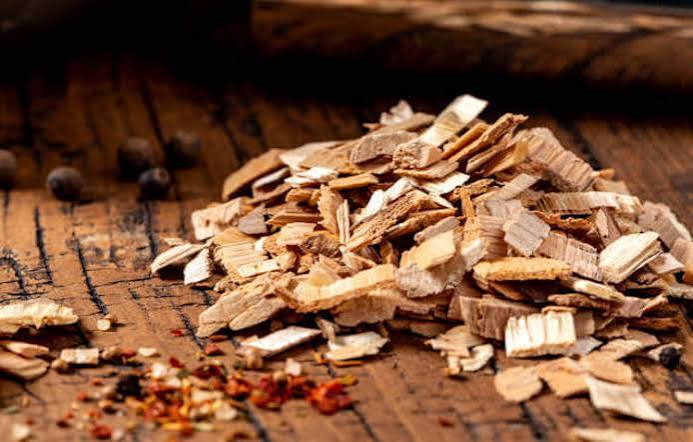
Which wood chips work best for different meats?
The best wood chips for smoking different meats depend on how strong you want the smoke to taste and how delicate the meat is. A bold wood like hickory can handle brisket, while a lighter fruit wood like apple is a better fit for chicken thighs or pork chops.
That simple match matters more than fancy equipment. A $15 bag of the right chips can improve dinner more than a $300 smoker used with the wrong wood.
Here’s the practical rule: strong meats can take stronger smoke, and delicate meats usually taste better with a lighter touch. That is the reason one wood works beautifully on a 12-hour beef brisket and feels harsh on a 20-minute fillet of fish.
Why does wood choice change flavor so much?
Smoke is not one flavor. Different woods give different levels of sweetness, bitterness, earthiness, and intensity. A handful of mesquite chips can make a steak taste bold and rustic, while apple chips can leave pork tasting gently sweet.
Think of smoke like seasoning. Salt supports food without taking over. The wrong wood can dominate the whole plate.
A good example is chicken breast. It cooks fast, often in 25 to 35 minutes, so it does not have much time to absorb smoke. That means a mild wood like alder or peach usually works better than a heavy mesquite blend.
Best wood chips for smoking different meats by meat type
This is where people usually want a straight answer. Fair enough.
Beef: oak, hickory, and mesquite
Beef can stand up to stronger smoke, especially cuts like brisket, chuck roast, and short ribs. Oak gives a clean, balanced smoke. Hickory adds a bacon-like edge. Mesquite is the boldest of the three.
For a 12-pound brisket smoked low and slow, oak is a safe starting point if you are not sure what guests like. If you want a heavier Texas-style profile, mix 70% oak with 30% hickory. That gives depth without turning every bite into a campfire memory.
Hickory works well on burgers too. On a 1/3-pound burger patty, though, use less smoke than you would on a whole roast. Ground beef picks up flavor quickly.
Pork: apple, cherry, and pecan
Pork is one of the easiest meats to smoke well. It takes on smoke nicely and usually tastes better with something slightly sweet.
Apple wood is a classic for pork loin, pork chops, and pulled pork. Cherry adds color and a mild fruity edge. Pecan sits in the middle, with more body than apple but less force than hickory.
A real-world example: if you are smoking 8 pounds of pork shoulder for pulled pork, apple chips give a gentle finish that works well with sauce later. If you are smoking baby back ribs and want a deeper bark, cherry or a 50/50 cherry-pecan mix is a solid choice.
Chicken and turkey: apple, peach, and alder
Poultry can go wrong fast with heavy smoke. Chicken skin is thin, and turkey breast dries out if you overdo it.
Apple is the safest pick for chicken quarters, wings, and whole birds. Peach is a nice option if you want a little more sweetness. Alder is mild and clean, which makes it good for turkey breast or smoked chicken salad.
A 5-pound whole chicken usually needs only a small amount of smoke. Two to three small handfuls of chips is enough in many smokers. That is plenty. More smoke does not mean more flavor once the meat starts tasting bitter.
Fish and seafood: alder, maple, and light fruit woods
Fish needs restraint. That is the whole story.
Alder is the traditional choice for salmon and trout because it gives a gentle smoke that does not cover the fish. Maple is another good option when you want a soft sweetness. For shrimp or scallops, use only a light touch, or smoke them very briefly.
A 2-pound salmon side can pick up too much smoke in 20 minutes if the wood is too strong. Alder keeps the flavor clean. Cherry can work too, but use it sparingly.
Lamb, duck, and game: oak, cherry, and hickory
Lamb has a richer flavor than chicken or fish, so it can handle stronger woods. Oak and cherry are both good choices. Hickory works too, especially on leg of lamb or game birds.
Duck is fatty, which helps it stand up to smoke. Cherry is a favorite because it adds a slight sweetness and helps the skin look better after cooking. For venison or wild game, oak or hickory can bring balance to lean meat that sometimes tastes flat without smoke.
If you are serving smoked duck breast at a holiday meal, cherry is a smarter pick than mesquite. Mesquite can take over fast. Cherry adds character without turning the dish into a smoke test.
How do you choose the right smoke level?
This part matters more than most guides admit.
Mild smoke suits foods that cook quickly or have delicate flavor. Strong smoke suits large, fatty cuts that spend hours in the smoker. If a meat cooks for under 45 minutes, go light. If it cooks for 6 to 14 hours, you can usually go deeper.
A simple scale helps:
- Mild: alder, apple, peach, maple
- Medium: cherry, pecan, oak
- Strong: hickory, mesquite
Use that scale as a guide, not a law. A thin pork chop and a thick pork shoulder are both pork, but they need very different handling.
What is the difference between wood chips, chunks, and pellets?
People often buy the wrong fuel for their smoker and then blame the meat. That is a mistake.
Wood chips burn fast. They are useful for short cooks, smaller smokers, and gas grills with a smoker box. Chunks burn slower and work well for long cooks like brisket or pork shoulder. Pellets are made for pellet grills and give a steady burn over hours.
A 3-hour chicken cook on a kettle grill can do well with chips. A 10-hour brisket usually does better with chunks. A pellet smoker, of course, wants pellets, not loose chips tossed in like confetti.
Which wood chips for smoking different meats should beginners start with?
If you are new to smoking, do not buy six bags at once. Start with three woods: apple, hickory, and oak. That gives you one mild option, one strong option, and one middle-ground option.
With those three, you can cover most meals:
- Apple for chicken, pork chops, and ribs
- Hickory for brisket, bacon-wrapped cuts, and ribs
- Oak for beef roasts, sausage, and mixed cooks
That small setup will teach you a lot. After 4 or 5 cooks, you will start noticing how one wood changes bark, aroma, and aftertaste.
What people get wrong with wood chips
The biggest mistake is using too much smoke. A clean thin smoke is better than a thick white cloud. Thick smoke often means bitter food.
Another common mistake is matching a heavy wood to a delicate meat. Mesquite on cod is too much. Hickory on a turkey breast can be too much. The meat gets overwhelmed before it gets better.
And no, soaking chips for hours does not magically improve them. Soaked chips usually just delay smoke for a short time. A 20-minute soak is enough for many setups, and in some smokers dry chips work just fine.
How do you choose good wood chips when buying online?
Check the wood species first. That matters more than flashy packaging. If the bag says “premium smoking blend” but does not clearly name the wood, be careful.
Also check for these details:
- 100% natural wood, with no chemical additives
- Clear species naming, such as apple, hickory, or oak
- Chip size suited to your smoker type
- Packaging that keeps the chips dry
A cheap 2-pound bag may look like a deal, but if the chips are dusty, damp, or mixed with mystery wood, the food will suffer. Good smoke starts with clean fuel.
Best wood chips for smoking different meats in China: what should buyers look for?
If you are searching for the best wood chips for smoking different meats in China, focus on the wood species and smoker type rather than the country label. Sellers may use local naming, so ask for the actual wood name in English or Latin species terms when possible.
For example, a shopper might see apple wood, cherry wood, or oak wood listed on an international marketplace, while a local listing may translate the same product differently. The key is still the same: choose by flavor strength and the meat you plan to cook.
This matters whether you are buying on a global marketplace or from a local grilling shop. A 1-kilogram bag of the right wood is more useful than a 5-kilogram bag of the wrong one.
Which wood should you use for each meat?
Here is the fastest way to match wood to meat:
| Meat | Best first choice | Good second choice | Avoid if possible |
|---|---|---|---|
| Beef brisket | Oak | Hickory | Very sweet fruit woods |
| Pork shoulder | Apple | Cherry | Heavy mesquite alone |
| Chicken | Apple | Alder | Strong mesquite |
| Turkey | Alder | Peach | Thick hickory |
| Salmon | Alder | Maple | Mesquite |
| Lamb | Oak | Cherry | Mild woods only |
| Duck | Cherry | Oak | Very sharp smoke |
This table is not fancy, but it works. If you are cooking dinner for six people and do not want to guess, this is the kind of cheat sheet that saves the meal.
Can you mix wood chips?
Yes, and sometimes you should.
Blending woods gives you more control. A common mix is oak plus cherry for beef ribs. Another useful one is apple plus hickory for pork butt when you want sweetness with a stronger finish.
Start with a 2:1 ratio. For example, use 2 parts apple and 1 part hickory. That keeps the hickory from taking over. Once you know your smoker, you can adjust from there.
How much wood smoke is enough?
Less than most beginners think.
For a 4-pound pork loin, 2 to 4 handfuls of chips is usually enough if the smoker holds smoke well. For a 12-pound brisket, you may use more over time, but you still do not want dense smoke the entire cook.
The goal is steady flavor, not constant fog. If the smoke hits your nose hard when you open the lid, the food may be getting too much already.
Final advice for better flavor
If you only remember one thing, remember this: match the strength of the wood to the strength of the meat. That one habit solves most bad smoking results.
The best wood chips for smoking different meats are not the same for every cook, and that is exactly why people get better results once they stop using one “favorite” wood for everything. Start with apple, oak, and hickory, then build from there.
FAQ Section
What wood chips are best for beginners?
Apple, oak, and hickory are the easiest starting woods. Apple is mild for chicken and pork, oak works well for beef, and hickory gives a stronger smoke for ribs or brisket. With those three, you can cook most meats without buying a big stack of specialty bags.
Can I use the same wood chips for all meats?
You can, but the food will not always taste right. A wood that works on brisket can be too strong for fish or chicken. A better approach is to keep one mild wood, one medium wood, and one strong wood on hand.
Are soaked wood chips better than dry chips?
Not always. Soaking chips may slow the burn for a short time, but it does not create better smoke by itself. In many smokers, dry chips work just as well and are easier to manage.
What wood is best for smoking chicken?
Apple is usually the safest choice for chicken because it gives a light, sweet smoke. Alder is also a good pick, especially for whole birds or turkey. Strong woods like mesquite can overpower chicken fast.
What wood chips are best for smoking beef brisket?
Oak is a top choice for brisket because it gives strong but balanced smoke. Hickory works well too if you want a deeper flavor. Mesquite is fine in smaller amounts, but too much can make brisket taste sharp.
How do I know if I used too much smoke?
If the meat tastes bitter, ashy, or harsh on the back of the tongue, the smoke was probably too heavy. Clean smoke should smell pleasant and taste rounded, not stingy or burnt. A good test is whether you still taste the meat first.
Conclusion
Start with the wood that fits the meat, not the wood that sounds strongest. That one choice will improve flavor faster than any fancy trick.
For more useful articles, visit my website: Gulmagazine.co.uk.