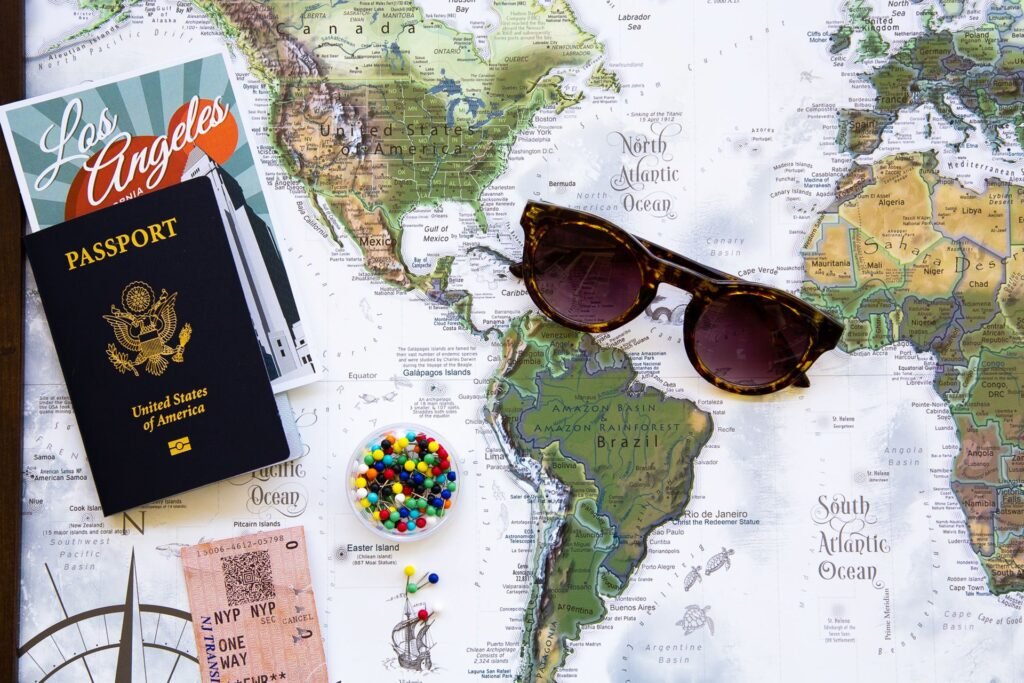
Travel magazines are pure escapism, and the best ones are worth subscribing to even if you only take one holiday a year. Great travel writing makes you feel as if you have been somewhere, with practical detail — where to stay, what to eat, how to get around — alongside photography that makes you want to book a flight.
The choice is wide. Some titles cover luxury travel and the world’s finest hotels. Others are for independent travellers, backpackers and adventurers. Some focus on a single region or style of travel, and some try to cover the whole world. Choosing the right one means matching the magazine to the travel you actually do, not the travel you dream about in advertisements.
This guide rounds up the best travel magazines in 2026 — what each one covers best, who it suits, and whether to buy it in print or digital. Prices change often and differ by country, so we describe value qualitatively here; always check the publisher’s own site for current pricing before you subscribe.
Why Travel Magazines Still Matter
Travel information is free and endless, so why pay for a travel magazine? The answer is the same as for every good magazine: curation, expertise and trust. A search engine gives you ten thousand pages about a destination. A travel magazine gives you the ten pages that matter, written by someone who has actually been there.
That first-hand knowledge is what you are paying for. The best travel magazines employ writers and photographers who travel constantly, stay in the hotels they recommend, eat in the restaurants they praise, and walk the streets they describe. Their recommendations are tested, not copied from other websites.
Travel magazines also inspire in a way that search results cannot. A beautiful photograph of a place you have never heard of, a story about a journey that changed the writer, a guide to a city that makes you want to go there tomorrow — that is the pleasure of a travel magazine, and it is why readers keep subscribing even when they have no trip planned.
There is also a practical reason to read them. Travel magazines are full of usable detail: when to go, how to get there, where to stay at different budgets, what to eat, and what to avoid. That detail saves you time and money when you do travel, and it helps you avoid the mistakes that first-time visitors make.
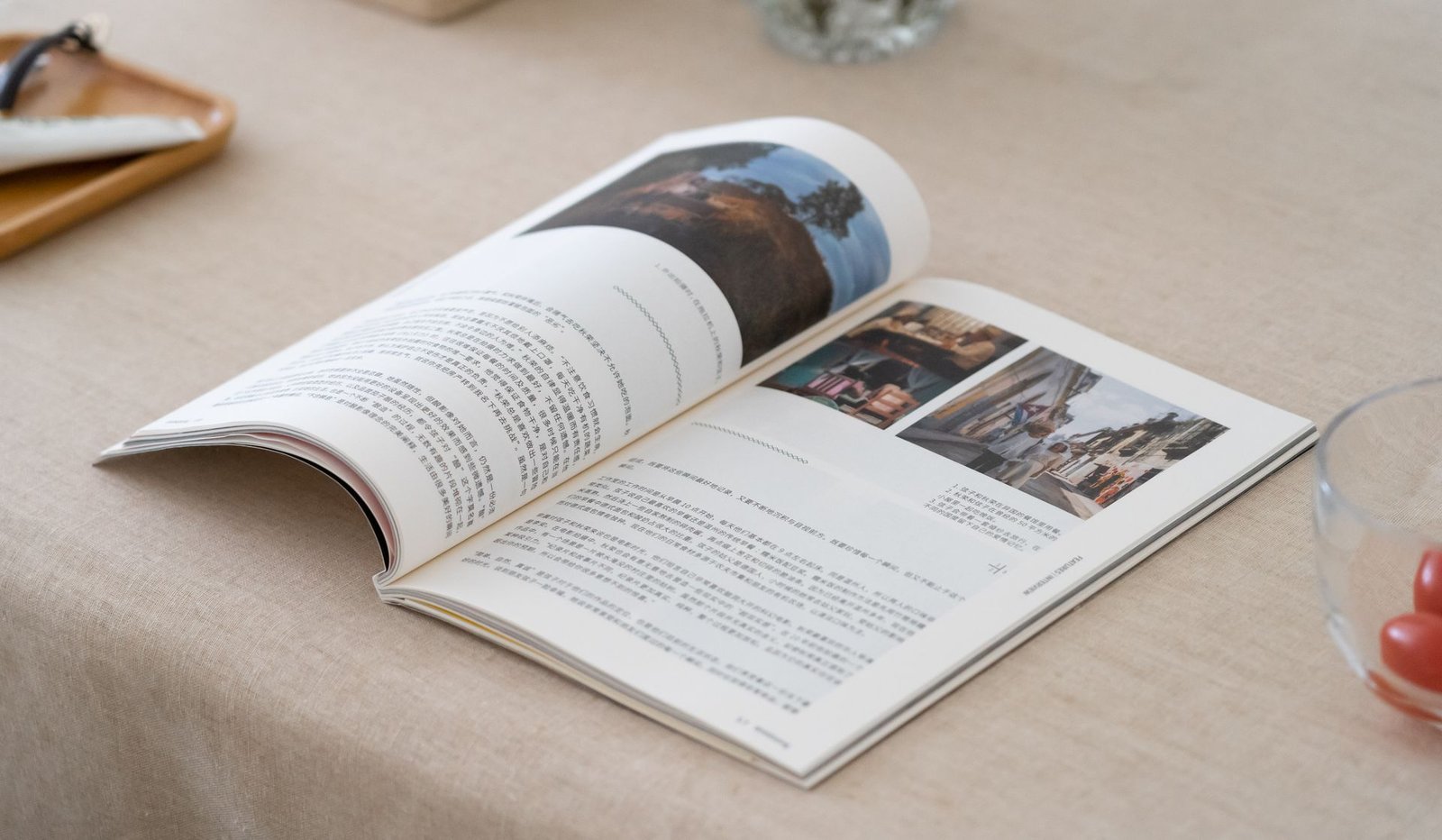
The photography is often the best in magazine publishing, and the production values are high. A travel magazine is a pleasure to hold and to read, even if you never leave home.
How to Choose the Right Travel Magazine
Before you subscribe, think about how you actually travel. The best travel magazine for a luxury traveller is not the best one for a backpacker, and neither is the best one for a family on a budget or a solo traveller.
What kind of traveller are you?
Be honest about your travel. If you take one package holiday a year, you need a magazine that covers popular destinations and practical advice. If you travel independently and often, you need a title with depth and originality. If you travel for adventure — hiking, diving, cycling — you need a specialist title that covers your activity properly. Choose the magazine that matches the trips you take, not the trips you wish you took.
What is your budget?
Travel magazines range from luxury titles that assume unlimited budgets to practical titles aimed at budget travellers. A magazine that only covers five-star hotels is useless if you stay in hostels, and a budget title is unhelpful if you want to know about the finest hotels in a city. Pick a title aimed at your budget and you will get far more usable ideas.
Where do you want to go?
Some travel magazines cover the whole world. Others focus on a region — Europe, Asia, the Americas — or on a style of travel, like food, culture, adventure or wildlife. If you mostly travel to one region, a specialist title may serve you better than a general one.
Print or digital?
Travel magazines work beautifully in print, because the photography is the point. A large glossy page shows a landscape, a city or a hotel in a way a phone screen cannot. Digital suits travellers who want to search, save and access content on the move. Our guide to digital vs print magazines compares the two formats, and many travel readers use print at home for inspiration and digital on the road for practical detail.
The Best Travel Magazines in 2026
The titles below are organised by what they do best. A magazine that is brilliant at luxury travel and one that is brilliant at independent adventure are doing different jobs, and both can be excellent.
Condé Nast Traveler
Condé Nast Traveler is the most famous travel magazine in the world, and it is famous for a reason. It covers the world’s finest hotels, restaurants, destinations and journeys with authority, beautiful photography and writing of a very high standard. Its annual Readers’ Choice Awards are among the most respected in travel, and its recommendations carry real weight with the industry.
Condé Nast Traveler suits readers who love travel and want the best of it. The magazine covers luxury travel seriously, but it also covers culture, food and the experience of a place, not just its hotels. It is a good choice for anyone who travels well and wants inspiration for the next trip, and for dreamers who enjoy reading about the world’s most beautiful places.
Travel + Leisure
Travel + Leisure is Condé Nast Traveler’s great rival, and it is the more accessible of the two. It covers the same world of hotels, destinations and journeys, but with a warmer, more practical tone and more attention to value. Its guides are detailed and usable, and its photography is consistently excellent.
Travel + Leisure suits readers who want inspiration and practical advice together. If you want to know where to go, where to stay and what to do — at a range of budgets, not just luxury — this is the magazine for you. It is a good first travel subscription for anyone who travels regularly and wants one title that covers the subject well.
Wanderlust
Wanderlust is the leading magazine for independent travellers. It covers the world with curiosity and enthusiasm, focusing on places, cultures, wildlife and adventure rather than luxury. Its writing is personal and engaging, and it is particularly strong on destinations that other magazines ignore.
Wanderlust suits independent travellers, backpackers and anyone who travels for discovery rather than comfort. If you plan your own trips, enjoy getting off the beaten track, and care about the culture and nature of a place as much as its hotels, Wanderlust is the title for you. It is also a good choice for solo travellers, because it treats independent travel as normal rather than unusual.
National Geographic Traveler
National Geographic Traveler brings the authority of National Geographic — the world’s most famous magazine for photography and exploration — to travel. Its photography is unmatched, its destination coverage is deep, and its approach to travel is thoughtful: it cares about culture, nature and the impact of travel on the places visited.
National Geographic Traveler suits readers who love photography, nature and culture. If you want to understand a place, not just visit it, and if you care about travelling responsibly, this is the magazine for you. It is also a good choice for families, because its content is engaging for readers of all ages.
AFAR
AFAR is the travel magazine for people who believe that travel should change you. It focuses on immersive, meaningful travel: meeting local people, learning about cultures, eating local food, and experiencing a place deeply rather than ticking off sights. Its writing is personal and reflective, and its photography is beautiful.
AFAR suits travellers who want depth rather than breadth. If you prefer one long stay in one place to a rushed tour of many, and if you value cultural connection over luxury, AFAR will speak to you. It is a smaller, more thoughtful title than the big names, and its readers are loyal because of it.
Lonely Planet Magazine
Lonely Planet is the most famous name in independent travel, and its magazine brings the guidebook’s practical expertise to a magazine format. It covers destinations with the detail and honesty that Lonely Planet is known for, with practical advice on getting there, getting around, where to stay and what to eat.
Lonely Planet Magazine suits independent travellers and backpackers above all. If you plan your own trips, travel on a budget, and want reliable practical information, this is the magazine for you. It is also a good choice for first-time independent travellers, because its advice is clear, honest and based on real experience.
The Sunday Times Travel Magazine and Newspaper Travel Sections
Newspaper travel sections deserve a mention, because they are a major part of travel publishing. The best of them — with long-form writing, expert contributors and beautiful photography — rival the standalone magazines. They cover destinations with freshness, because they are published weekly, and they often include deals and practical advice that magazines cannot match.
A newspaper travel section suits readers who want frequent, current travel content. If you already read a newspaper, its travel section may give you everything you need. Look for one with dedicated travel writers rather than repurposed press releases, and with photography that makes you want to go.
Adventure and Outdoor Travel Magazines
Adventure travel deserves its own mention, because it is a world of its own. Dedicated adventure magazines cover hiking, climbing, cycling, diving, skiing and expedition travel with a depth that general travel titles cannot match. They explain routes, equipment, safety and technique properly, and they are written by people who do these activities themselves.
An adventure magazine suits anyone who travels for activity rather than relaxation. If you hike, cycle, dive or ski, a specialist title will teach you more in a year than a general travel magazine will in five. Look for one that matches your activity and your level, and check whether it covers the destinations you actually visit.
Food and Travel Magazines
Food and travel go together, and some of the best travel reading is in magazines that cover both. Food-focused travel magazines explore destinations through their cuisine — markets, restaurants, producers, street food and cooking traditions — with writing and photography that make you hungry as well as wanderlustful.
A food and travel magazine suits readers who plan trips around eating. If your first question about a destination is what the food is like, a title that covers food and travel together will serve you better than a general travel magazine. Our guide to the best food magazines covers titles that do this well.
Print vs Digital: What Works Best for Travel
Travel magazines work beautifully in print. The photography is the content, and a large glossy page shows a landscape or a city in a way a screen cannot. A print travel magazine is also a pleasure to keep — readers return to favourite issues when planning a trip, and leave copies around the house for inspiration.
Digital is best on the road. A digital subscription lets you search destinations, save articles, and access practical detail on your phone when you need it. Digital editions often include maps, links and updated information that print cannot offer.
The most common solution is a mix: print at home for inspiration and planning, digital on the road for practical detail. Many of the best subscriptions now bundle both, and our guide to the best magazine subscriptions in 2026 explains how to find those deals.
How to Subscribe and Save
Subscribe direct from the publisher when you can. The publisher’s own website usually offers the best price, the full range of print and digital options, and the most reliable customer service.
Watch for introductory offers. Travel magazines frequently offer heavily discounted first years. Take the deal, but check the renewal price before you commit, and set a calendar reminder before the renewal date.
Consider a bundle. Some subscription services offer several travel and lifestyle titles for one monthly fee. These can be excellent value if you read more than one title, but check that your favourites are included.
Try before you buy. Most public libraries offer free digital access to travel magazines through library apps. Read a few issues first, and only subscribe to the titles that inspire your next trip. A single issue bought at a newsstand is also a cheap way to test a magazine before committing to a year.
Frequently Asked Questions
Which travel magazine is the best?
It depends on how you travel. Condé Nast Traveler is the best for luxury and authority. Travel + Leisure is the best all-rounder. Wanderlust is the best for independent travellers. National Geographic Traveler is the best for photography and culture. Choose the one that matches your trips.
Are travel magazines still worth reading in 2026?
Yes. Travel magazines offer curation, first-hand expertise and photography that search results cannot match. They inspire trips you would never have thought of, and their practical detail saves you time and money when you travel.
Should I buy travel magazines in print or digital?
Print if you love the photography and plan trips at home. Digital if you want to search and access content on the road. Many readers choose print at home and digital when travelling. Our guide to digital vs print magazines compares the two formats in detail.
How much does a travel magazine subscription cost?
It varies widely by title, format and country, and prices change often. Digital subscriptions are usually cheaper than print, and introductory offers can be much lower than the renewal price. Always check the publisher’s own website for current pricing, and compare the cost per issue rather than the headline price.
Can I read travel magazines for free?
Yes, legally. Most public libraries provide free digital access to a wide range of magazines through library apps, and many publishers offer free trial issues. These are the best ways to discover which titles inspire you before spending anything.
Which travel magazine is best for beginners?
Travel + Leisure or Wanderlust are the best starting points. Both are accessible, practical and inspiring, with a wide range of destinations and budgets. Condé Nast Traveler is better once you know the travel world a little and want its authority and photography.
Conclusion
The best travel magazine is the one that matches how you travel. If you want luxury and authority, choose Condé Nast Traveler. If you want inspiration and practical advice together, choose Travel + Leisure. If you travel independently and love discovery, choose Wanderlust. If you love photography, nature and culture, choose National Geographic Traveler. If you want depth and meaning, choose AFAR.
Start with one title and one format. Read it properly for a month, notice which destinations you dream about and which practical tips you save, and let that tell you what you actually want from a travel magazine. The right subscription is not the most famous one or the cheapest one. It is the one that makes you want to go — the one that turns an ordinary evening at home into the beginning of your next journey.